
Owning a property, whether it’s your cozy first home or a sprawling commercial complex, often feels like a rewarding journey, doesn’t it? But as someone who’s personally navigated the real estate landscape for years, I can tell you one thing: the true financial adventure often begins after the keys are in hand, especially when it comes to building maintenance.

It’s no longer just about those occasional repairs; we’re now facing a complex web of rising material costs, a competitive market for skilled trades, and even integrating smart technology and sustainable practices to future-proof our investments.
Understanding these evolving expenses isn’t just about saving money; it’s about protecting your asset’s value and ensuring its longevity in an ever-changing world.
Don’t let unexpected costs catch you off guard or eat into your profits. Let’s delve into the smart strategies you need to master building maintenance costs right now.
Beyond the Purchase Price: Uncovering Your Property’s Ongoing Expenses
Owning a property, whether it’s that charming bungalow you just closed on or a bustling commercial space, feels fantastic, right? But if you’re anything like me, you quickly realize the initial purchase price is just the tip of the iceberg.
I’ve personally seen countless owners, myself included in my younger days, get blindsided by the steady stream of costs that come with simply keeping a building in tip-top shape.
It’s not just about the mortgage payments; it’s the constant vigilance required to maintain your asset’s value and functionality. From the moment those keys are in your hand, you’re not just a homeowner or a business owner; you’re a property manager, a budget analyst, and sometimes even an emergency responder.
Ignoring these evolving expenses isn’t just a minor oversight; it’s a direct threat to your equity and the long-term viability of your investment. We’re talking about everything from the inevitable wear and tear to unexpected system failures, and the simple truth is, these costs add up far quicker than you might anticipate if you don’t have a solid strategy.
It’s truly a financial adventure that demands foresight and a proactive approach.
Understanding the Lifecycle of Your Home’s Systems
Every component of your property, from the roof over your head to the foundation beneath your feet, has a finite lifespan, and I’ve learned this the hard way more than once.
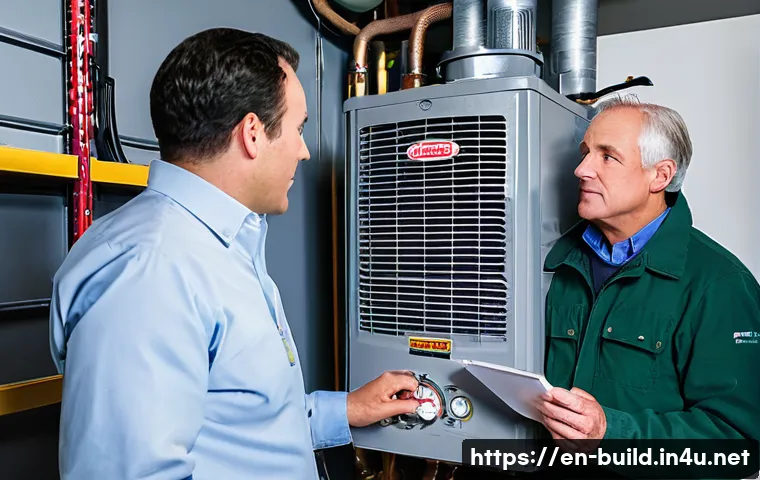
Thinking about it in terms of cycles—when things are installed, how long they’re expected to last, and when they’ll need replacing—is crucial. For instance, an HVAC system might be good for 15 years, while a water heater typically gives you about 10.
Neglecting these timelines means you’re setting yourself up for sudden, expensive surprises. I remember one winter morning when my furnace decided to call it quits, right when the temperatures plummeted.
That was a costly lesson in understanding my heating system’s age and planning for its eventual retirement rather than reacting in a panic. It’s all about having a clear picture of what’s aging and what’s next on the replacement schedule, so you can earmark funds and avoid those financially jarring moments.
The Silent Creep of Utility and Material Cost Hikes
Have you noticed how utility bills seem to inch up year after year, sometimes more dramatically than an inch? And the price of lumber or copper piping?
It feels like a rollercoaster. These aren’t just minor fluctuations; they’re significant factors impacting your overall maintenance budget. When I started out, a simple plumbing repair felt manageable, but now, with material costs soaring and skilled labor becoming more in-demand, those same repairs can hit your wallet much harder.
This isn’t just a hypothetical scenario; I recently got a quote for some exterior siding repair, and the cost of materials alone was nearly double what I’d estimated just a couple of years ago.
It really drives home the point that what you paid for a service or material last year is no guarantee of its price this year, forcing us to constantly re-evaluate our budgets and seek out competitive pricing.
Embracing Preventative Care: Your Best Defense Against Budget Busts
If there’s one piece of advice I’d shout from the rooftops, it’s this: preventative maintenance is your absolute best friend. Seriously. I used to think I was saving money by putting off minor fixes, telling myself I’d get to them later.
What a rookie mistake! That small leak under the sink that I ignored turned into warped cabinetry and a much bigger, far more expensive plumbing job. Or the tiny crack in the driveway that, after a few freeze-thaw cycles, became a gaping pothole needing professional asphalt repair.
These stories aren’t just mine; they’re echoed by every property owner who’s learned the hard way. Regular, minor interventions are infinitely cheaper and less disruptive than emergency repairs.
It’s like taking your car in for an oil change; you do it to avoid a blown engine down the road. This mindset shift from reactive to proactive isn’t just about saving cash; it’s about maintaining peace of mind and significantly extending the lifespan of your property’s components.
Seasonal Checklists: A Simple Path to Proactive Maintenance
My secret weapon for staying on top of things? A seasonal checklist. It sounds almost too simple, doesn’t it?
But trust me, having a clear list of tasks for spring, summer, fall, and winter makes a world of difference. In spring, I’m checking my gutters, inspecting the roof for winter damage, and testing my AC unit.
Come fall, it’s all about furnace inspections, raking leaves away from the foundation, and sealing drafts. This organized approach prevents me from forgetting crucial tasks that could lead to bigger problems later on.
It’s not about being a full-time handyman; it’s about dedicating a few hours each season to essential inspections and minor upkeep. This systematic approach has saved me thousands over the years, not to mention the stress of unexpected failures.
The Value of Professional Inspections
While I’m a big believer in DIY where appropriate, I’ve also learned the immense value of bringing in the pros for certain inspections. A trained eye can spot issues that you or I might completely miss.
Think about an annual HVAC tune-up or a professional roof inspection after a major storm. They have specialized tools and expertise to identify potential problems before they escalate.
I remember hiring an electrician to do a thorough check of my older home’s wiring. He found a minor, yet potentially dangerous, issue with an outdated circuit that I would never have noticed.
That small investment in his expertise probably saved me from a much larger, more hazardous problem down the line. It’s about recognizing when to call in the experts to protect your investment and ensure safety.
Mastering Your Maintenance Budget: Setting Aside Smart Funds
Let’s be real, budgeting for building maintenance isn’t the most glamorous part of property ownership, but it’s absolutely critical. I used to just hope for the best, crossing my fingers that no major expenses would pop up.
That strategy, as you can imagine, led to a few panicked moments and unexpected dives into my savings account. What I’ve found works incredibly well is to treat maintenance as a regular, predictable expense, not an ‘if’ but a ‘when.’ Establishing a dedicated maintenance fund that you contribute to consistently, much like a savings account, transforms how you handle these costs.
It turns potential financial headaches into manageable line items, allowing you to approach necessary repairs and upgrades with confidence rather than dread.
This financial discipline is truly a game-changer for long-term property stability.
The “One Percent Rule” and Its Practical Application
You’ve probably heard of the “one percent rule,” suggesting you budget 1% of your home’s value annually for maintenance. While it’s a solid starting point, I’ve found it needs a bit of nuance.
For an older property, or one with complex systems, that percentage might need to be higher, sometimes even 2-4%. Conversely, a brand-new build might initially require less.
The key is to customize it to your specific situation. For example, if your property is valued at $400,000, setting aside $4,000 a year (or about $333 a month) offers a decent buffer.
I started applying this rule rigorously after my first property needed a new roof and I realized my “rainy day fund” wasn’t quite ready for a downpour.
It provides a tangible goal and helps you avoid scrambling when something inevitably breaks or needs replacing.
Categorizing Costs: Repair, Replace, and Enhance
To truly master your budget, I highly recommend breaking down your maintenance expenses into categories. This isn’t just about tracking; it’s about strategic planning.
You have your “repairs” – the small fixes that keep things running. Then there are “replacements” – those larger, anticipated costs like a new water heater or appliance upgrade.
Finally, “enhancements” are optional improvements that add value, like smart home tech or landscaping. By separating these, you can prioritize. I always make sure the repair fund is robust, then allocate for known replacements, and only then consider enhancements.
This tiered approach gives you clarity and control over your spending, ensuring that critical needs are always met first, and optional upgrades are funded responsibly.
| Maintenance Task Category | Example Tasks | Typical Frequency | Estimated Annual Cost Range (USD) |
|---|---|---|---|
| Routine & Seasonal | Gutter cleaning, HVAC filter changes, smoke detector tests, lawn care, window cleaning | Monthly to Quarterly | $300 – $1,200 |
| System & Appliance Inspections | HVAC tune-up, plumbing check, electrical inspection, roof inspection | Annually to Biennially | $200 – $800 |
| Exterior & Structural | Minor siding repair, deck sealing, paint touch-ups, driveway crack sealing | As needed, but usually 1-5 years | $400 – $2,000+ |
| Appliance & Fixture Repair | Leaky faucet fix, garbage disposal repair, oven element replacement | As needed | $100 – $600 per incident |
| Major Component Replacements | Water heater, furnace, roof (long-term savings planning) | Every 10-20 years (plan ahead) | Varies greatly ($2,000 – $20,000+) |
Smart Technology: Making Your Property Work Smarter, Not Harder
In today’s world, ignoring smart technology is like leaving money on the table. When I first started hearing about “smart homes,” I was a bit skeptical, thinking it was all just fancy gadgets.
But after integrating a few key pieces into my own properties, I’ve become a total convert. We’re not talking about just convenience anymore; we’re talking about tangible savings and enhanced longevity for your property.
From thermostats that learn your habits to leak detectors that can prevent catastrophic water damage, these tools are powerful allies in the battle against rising maintenance costs.
It’s about leveraging innovation to gain better control, increase efficiency, and even proactively identify problems before they spiral out of control.
It truly feels like having a silent, always-on assistant for your property.
Thermostats, Lighting, and Energy Efficiency
One of the easiest and most impactful ways I’ve cut down on ongoing costs is through smart thermostats and lighting. I installed a smart thermostat in my rental property a few years ago, and the difference in energy bills was remarkable.
It learns occupancy patterns, adjusts temperature when no one’s home, and even allows remote control. No more wasted energy heating or cooling an empty house!
Similarly, smart lighting systems, especially with LED bulbs, significantly reduce electricity consumption and the hassle of frequent bulb changes. The initial investment might seem like a hurdle, but the payback period is surprisingly quick, and the long-term savings are undeniable.
It’s a win-win: less environmental impact and more money in your pocket.
Water Leak Detection and Security Systems
This is where smart tech moves from “nice to have” to “must-have” in my book. A burst pipe or a slow, undetected leak can cause thousands of dollars in damage in a shockingly short amount of time.
I once had a friend whose basement flooded because of a small pipe burst while they were on vacation. The repair and restoration costs were astronomical.
Smart leak detectors, strategically placed near water heaters, sinks, and toilets, can send an alert to your phone the moment they sense moisture. This early warning system can literally save your property from extensive damage.
Beyond water, smart security cameras and door/window sensors offer peace of mind and can often integrate with other smart home devices, providing a comprehensive safety net and deterring potential issues before they even start.
The Green Advantage: Sustainable Practices for Long-Term Savings
Embracing sustainable practices isn’t just a feel-good choice for the environment; it’s a smart financial strategy that pays dividends over the long haul.
I’ve always been keen on finding ways to reduce my footprint, but what truly cemented my commitment was seeing the direct impact on my operating costs.
Think about it: less energy consumption means lower utility bills. Using durable, eco-friendly materials often means less frequent replacements and repairs.
It’s a holistic approach that intertwines responsible living with savvy financial management. As someone who’s always looking for the “smart” way to do things, integrating green initiatives into my property management has become a no-brainer, offering benefits that extend far beyond initial appearances.
Investing in Energy-Efficient Upgrades
This is perhaps the most obvious starting point for going green and saving green. Upgrading to energy-efficient windows, for example, can drastically reduce heat loss in winter and heat gain in summer, leading to significantly lower HVAC costs.
The same goes for proper insulation in attics and walls. I personally invested in upgrading my attic insulation a few years back, and I saw an immediate, noticeable drop in my heating bills during the colder months.
It wasn’t a cheap upfront cost, I’ll admit, but the comfort improvement and the consistent savings made it one of the best decisions I’ve made for my property.
These aren’t just one-off fixes; they’re long-term investments that continually reduce your operational expenses.
Water Conservation and Xeriscaping
Water bills can be a sneaky expense, especially if you have a large lawn or outdated fixtures. Simple changes, like installing low-flow toilets and showerheads, can make a significant difference.
But for those with outdoor spaces, xeriscaping – landscaping designed to reduce or eliminate the need for irrigation – has been a revelation for me. Replacing thirsty lawns with drought-tolerant plants and smart irrigation systems has not only slashed my water bills but also reduced the time and cost associated with constant lawn maintenance.
It’s about working with your local climate, not against it, and seeing the savings roll in month after month. It’s proof that being environmentally conscious can directly benefit your bottom line.
Securing Your Investment: The Power of Thorough Documentation
This might sound a little dry, but trust me, maintaining meticulous records of all your property’s maintenance and repairs is an absolute game-changer.
I learned this lesson after a particularly frustrating warranty claim where I couldn’t find the original purchase receipt for an appliance. What a headache!
Since then, I’ve become a fanatic about documentation. It’s not just about tracking expenses for tax purposes, though that’s certainly a huge benefit.
It’s about having a clear history of every repair, every upgrade, and every inspection. This paper trail, or digital trail, acts as your property’s autobiography, providing invaluable insights for future planning, troubleshooting, and even increasing its resale value.
When it comes time to sell, being able to present a detailed maintenance history can build immense trust with potential buyers.
Creating a Digital Maintenance Log
Gone are the days of overflowing binders and misplaced receipts. I’ve found that a simple digital system, whether it’s a spreadsheet, a dedicated app, or even just a well-organized cloud folder, is the most efficient way to keep track of everything.
I log every repair, who did the work, the cost, and any warranty information. I also include photos before and after major jobs. This central repository makes it incredibly easy to look up when the water heater was last serviced, or when the roof was installed.
It saves me countless hours of searching and ensures I have all the information at my fingertips when I need it most, whether for a quick reference or a detailed financial review.
The Advantage During Resale and Warranty Claims
Imagine trying to sell your car without any service records. It immediately raises questions, right? The same goes for property.
A well-documented maintenance history instills confidence in potential buyers. They can see that the property has been well cared for, that systems have been regularly serviced, and that potential issues have been proactively addressed.
I’ve seen properties with impeccable records sell faster and for closer to asking price because of that transparency. And those pesky warranty claims I mentioned earlier?
Having all your receipts, service dates, and contractor information neatly organized can be the difference between a free repair and footing the entire bill yourself.
It’s a small effort that yields significant returns when it matters most.
Building Strong Relationships: The Key to Reliable Service
You know, I used to just pick the cheapest quote I could find for any given repair, thinking I was being savvy. And while saving a buck is always good, I quickly realized that chasing the lowest price every single time often led to inconsistent quality, unreliable service, and sometimes, even more expensive fixes down the line.
What I’ve learned over the years, and what I now firmly believe, is the immense value of building strong, trusting relationships with skilled tradespeople.
Having a go-to plumber, electrician, or handyman who knows your property, understands your standards, and provides reliable service is an asset that’s truly worth its weight in gold.
It makes the entire process of property maintenance smoother, less stressful, and ultimately, more cost-effective in the long run.
Finding Your Trusted Team of Contractors
So, how do you find these elusive, fantastic contractors? It takes a bit of legwork, but it’s absolutely worth it. I started by asking for recommendations from friends, family, and neighbors who I knew had well-maintained homes.
I also checked online reviews, but always took them with a grain of salt. When I found a promising candidate, I’d start with a smaller job to test the waters – something low-risk but still indicative of their skill and professionalism.
Did they show up on time? Were they communicative? Did they clean up after themselves?
These seemingly small details speak volumes. Over time, I’ve built a small but mighty roster of trusted professionals who I can call on, knowing they’ll do excellent work at a fair price.
It makes such a difference to have that peace of mind.
The Benefits of Long-Term Contractor Relationships
Once you have your trusted team, nurture those relationships! It’s not just about calling them when something breaks. I make an effort to be a good client – clear communication, prompt payment, and expressing appreciation for their hard work.
In return, I’ve found that my go-to contractors often prioritize my calls, offer valuable advice on preventative measures, and sometimes even give me a heads-up on potential issues they’ve spotted during a routine visit.
They become familiar with your property’s quirks and history, which can save time and money on diagnostics in the future. It’s a reciprocal relationship that benefits everyone involved, transforming stressful situations into manageable projects with familiar, reliable faces.
Wrapping Things Up
And there you have it, folks! It might seem like a lot to take in, but trust me, understanding and actively managing your property’s ongoing expenses is the secret sauce to turning a good investment into a truly great one. I’ve learned these lessons through my own journey, sometimes the hard way, and I genuinely believe that with a proactive mindset, a smart budget, and a reliable team, you can tackle any challenge your property throws your way. It’s not just about avoiding headaches; it’s about building lasting value, ensuring your peace of mind, and truly enjoying the asset you’ve worked so hard for. Here’s to smarter property ownership!
Useful Information to Know
1. Start a dedicated “Property Maintenance Fund” today. Even if it’s just a small amount each month, consistently contributing to this fund will cushion you against unexpected repairs and allow you to plan for major replacements without stress. Think of it as an emergency savings account specifically for your home’s well-being. This proactive step can truly transform your financial preparedness and prevent those sudden, budget-busting surprises that can catch even the most seasoned property owner off guard. It’s about shifting from reactive panic to strategic financial peace.
2. Keep a digital log of all your home’s systems and appliances, including installation dates, warranty information, and service records. This meticulous record-keeping isn’t just for tax season; it’s invaluable for troubleshooting, scheduling preventative maintenance, and significantly boosts your property’s appeal and value when it’s time to sell. Having a clear, accessible history proves you’re a responsible owner and can expedite future repairs.
3. Embrace smart home technology beyond just security. Devices like smart thermostats, water leak detectors, and even energy-monitoring plugs can provide real-time data, optimize energy consumption, and alert you to potential issues before they become major problems. I’ve seen these tools pay for themselves multiple times over by preventing costly damage or significantly reducing utility bills.
4. Develop a reliable network of skilled and trustworthy contractors. Don’t just chase the cheapest quote; prioritize quality, communication, and reliability. Building long-term relationships with a go-to plumber, electrician, and handyman means you’ll have dependable help when you need it most, often leading to better service and advice tailored to your property. Ask for recommendations from trusted friends and neighbors!
5. Regular, seasonal preventative maintenance is non-negotiable. Creating a simple checklist for spring, summer, fall, and winter tasks – like cleaning gutters, checking HVAC filters, or inspecting exterior caulking – can prevent minor issues from escalating into expensive repairs. This consistent, low-effort approach is the cornerstone of preserving your property’s value and extending the lifespan of its critical components. It’s truly a game-changer for your budget and peace of mind.
Key Takeaways
At the heart of successful property ownership lies a commitment to understanding and proactively managing its ongoing expenses. It’s far more than just the mortgage; it encompasses a dynamic range of costs from routine maintenance and utility fluctuations to the inevitable lifecycle replacements of major systems. My personal experience has repeatedly shown me that embracing preventative care through seasonal checklists and professional inspections is not merely a suggestion, but an essential strategy for preserving your investment and avoiding costly surprises. Equally vital is the discipline of creating a dedicated maintenance budget, perhaps guided by a refined “one percent rule,” and categorizing expenses to gain clear financial control. Furthermore, leveraging smart technology like energy-efficient thermostats and leak detectors can transform your property into a smarter, more cost-effective asset, while sustainable practices offer both environmental benefits and long-term financial savings. Finally, remember the immense power of thorough documentation and cultivating strong, reliable relationships with your contractors; these elements collectively form a robust defense for your property’s value and your peace of mind.
Frequently Asked Questions (FAQ) 📖
Q: With material costs seemingly always on the rise and finding good, skilled labor feeling like a treasure hunt, what are some genuinely effective strategies we can use today to trim building maintenance expenses without cutting corners on quality?
A: Oh, I hear you loud and clear on this one! It feels like every time I check, the price of lumber or even a simple plumbing part has gone up again, doesn’t it?
And don’t even get me started on getting a reliable tradesperson booked! From my own experience navigating this rollercoaster, one of the biggest game-changers has been embracing proactive, preventative maintenance.
Seriously, it’s like having a crystal ball. Instead of waiting for a small leak to turn into a full-blown flood and a hefty repair bill, regular inspections can catch those tiny issues when they’re still cheap and easy to fix.
Think about it: a little caulk now saves you from re-drywalling later. I’ve personally saved thousands by simply walking through my properties monthly, checking for subtle signs of wear and tear, especially around the roof, gutters, and any potential water entry points.
Another fantastic trick I’ve learned is to build a strong network of local, independent contractors. While big companies have their place, cultivating relationships with smaller, trusted local folks often means better rates, more personalized service, and quicker response times.
And here’s a little secret: if you can, buy materials in bulk for common consumables like filters, light bulbs, or even paint when you see sales. It might seem like a small thing, but those savings really add up over time.
Trust me, these aren’t just theoretical tips; these are strategies I’ve applied directly to my own properties, and they absolutely make a difference to the bottom line.
Q: It seems like “smart technology” and “sustainable practices” are everywhere these days. While they sound great on paper, does investing in these really translate into significant, measurable savings on maintenance in the long run, or is it mostly an upfront cost that doesn’t always deliver a solid return?
A: That’s a brilliant question, and one I wrestled with myself for a while! It’s easy to get swept up in the latest tech craze, but as a property owner, your focus has to be on real value.
What I’ve found, after integrating some of these solutions into my own buildings, is that they absolutely can lead to substantial long-term savings, but you have to be smart about which technologies you adopt.
We’re not talking about just fancy gadgets; we’re talking about tools that provide tangible benefits. Take smart thermostats, for instance. I’ve seen them drastically reduce energy bills by optimizing heating and cooling based on actual usage patterns, rather than just brute-forcing the AC all day.
That’s a direct, measurable saving month after month. Or consider leak detection systems. I once had a small, unnoticed pipe burst in a rental property, and the water damage was a nightmare.
Installing smart sensors that alert you instantly when there’s an unusual moisture presence? Priceless. It’s preventative maintenance at its finest, avoiding those catastrophic, wallet-draining emergencies.
And let’s not forget about LED lighting – a simple switch, yet the reduction in energy consumption and the sheer longevity of the bulbs mean fewer replacements and lower utility costs.
So yes, there’s an initial investment, but when you choose wisely, focusing on technologies that enhance efficiency and prevent costly disasters, the ROI is undeniably there.
It’s about working smarter, not harder, with your property.
Q: Beyond just managing costs, how can my approach to building maintenance actively protect and even enhance my property’s value, ensuring it stays attractive and competitive in an ever-evolving market?
A: This is where the magic really happens, in my opinion! Anyone can slap a coat of paint on something, but truly savvy property owners understand that maintenance isn’t just about fixing things when they break; it’s about strategic investment in your asset’s future.
I’ve seen firsthand how a well-maintained property not only holds its value but can actually appreciate more significantly than a neglected one. Think about curb appeal: a beautifully maintained exterior, from the landscaping to the siding and roof, screams “pride of ownership” and makes a fantastic first impression.
This isn’t just about aesthetics; it’s about signaling to potential buyers or tenants that the property has been cared for. Believe me, as someone who’s bought and sold a few places, those crucial first moments when someone pulls up to the driveway are everything.
Beyond the visual, investing in energy-efficient upgrades isn’t just about saving on utility bills; it’s a huge selling point in today’s market. Homebuyers are increasingly looking for properties with lower ongoing costs and a smaller environmental footprint.
Upgrading old windows, improving insulation, or installing modern, efficient HVAC systems might seem like big outlays, but they pay dividends when it comes time to sell.
And here’s a crucial tip that’s often overlooked: keep meticulous records of all your maintenance and upgrades. This documentation acts as a verifiable history of care, demonstrating the property’s quality and the responsible management behind it.
It provides immense peace of mind to future owners and often justifies a higher asking price. It’s not just about patching things up; it’s about building a legacy of quality and ensuring your property stands out in the crowd.