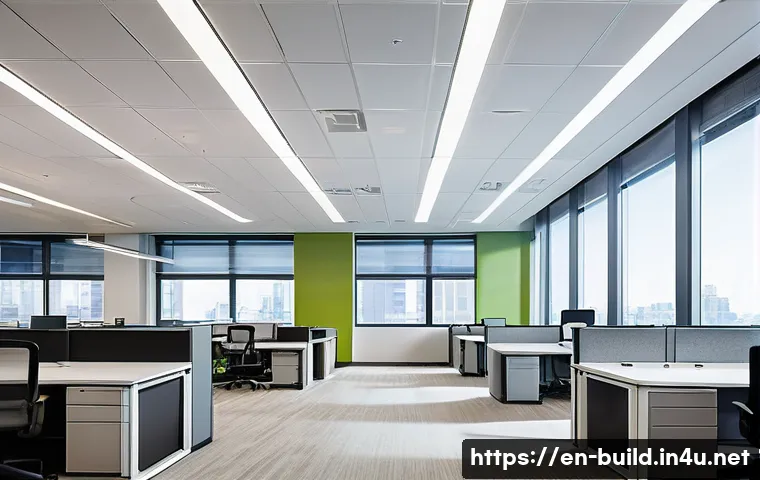
Electricity costs can quickly add up in any building, whether it’s an office, apartment complex, or retail space. With rising energy prices and increasing environmental concerns, finding smart ways to cut down on power consumption is more important than ever.
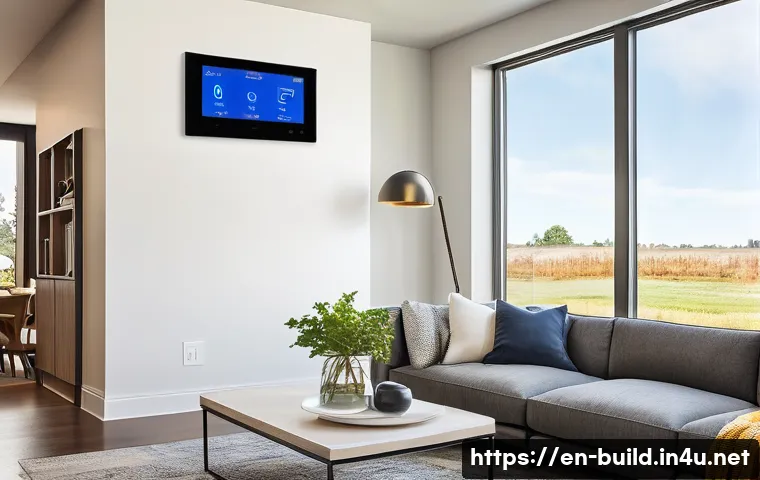
Luckily, there are practical technologies and strategies that not only reduce bills but also enhance overall efficiency. From advanced lighting systems to smart thermostats, these innovations can make a real difference.
I’ve seen firsthand how simple changes can lead to significant savings. Let’s dive into the details and explore how you can effectively lower your building’s electric costs!
Optimizing Lighting for Maximum Savings
Upgrading to LED Lighting
Switching from traditional incandescent or fluorescent bulbs to LED lighting is one of the simplest yet most impactful ways to cut electricity costs. LEDs consume up to 75% less energy and last significantly longer, reducing replacement expenses.
In my experience managing office spaces, this upgrade alone cut our lighting energy use by nearly half within the first few months. Beyond cost savings, LEDs produce less heat, which helps reduce cooling loads in warmer months, indirectly saving even more on energy bills.
Implementing Motion and Daylight Sensors
Installing motion sensors in low-traffic areas like restrooms, storage rooms, and conference rooms ensures lights are only on when needed. Daylight sensors adjust artificial lighting based on natural light availability, which is especially effective near windows.
I recall retrofitting a retail store with these sensors and noticing an immediate drop in electricity consumption, along with positive feedback from employees who appreciated the automatic lighting adjustments throughout the day.
Smart Lighting Controls
Smart lighting systems offer customizable schedules and remote control capabilities, allowing building managers to optimize lighting based on occupancy patterns and business hours.
Using smartphone apps or centralized building management systems, you can dim or turn off lights in unused spaces without physically being there. From my personal trial with smart lighting in an apartment complex, the flexibility and automation translated into a smoother operation and noticeable energy cost reductions.
Harnessing Smart Climate Control Technologies
Programmable and Learning Thermostats
Traditional thermostats often lead to energy waste by heating or cooling spaces unnecessarily. Programmable thermostats enable preset temperature adjustments based on time of day or occupancy, while learning thermostats adapt automatically by analyzing user behavior and environmental conditions.
Installing a learning thermostat in my home office resulted in a more comfortable environment with fewer temperature swings and a 15% reduction in monthly electricity bills.
Zoning Systems for Targeted Heating and Cooling
Zoning divides a building into distinct areas with independent temperature controls, allowing you to heat or cool only occupied zones. This approach avoids wasting energy on unoccupied rooms or floors, a common issue in larger buildings.
I’ve seen commercial buildings benefit tremendously from zoning, especially in mixed-use spaces, where some areas operate during the day and others remain empty.
The ability to customize settings per zone improves comfort and trims unnecessary power use.
Regular HVAC Maintenance and Upgrades
An overlooked aspect of reducing electric costs is maintaining HVAC systems. Dirty filters, clogged ducts, and outdated equipment force HVAC units to work harder, spiking energy consumption.
Scheduling routine maintenance and upgrading to energy-efficient HVAC models can enhance performance and reliability. In a retail environment I consulted for, after upgrading to a high-efficiency system and maintaining it diligently, their HVAC-related electricity costs dropped by nearly 20%.
Leveraging Energy Monitoring and Automation
Real-Time Energy Usage Tracking
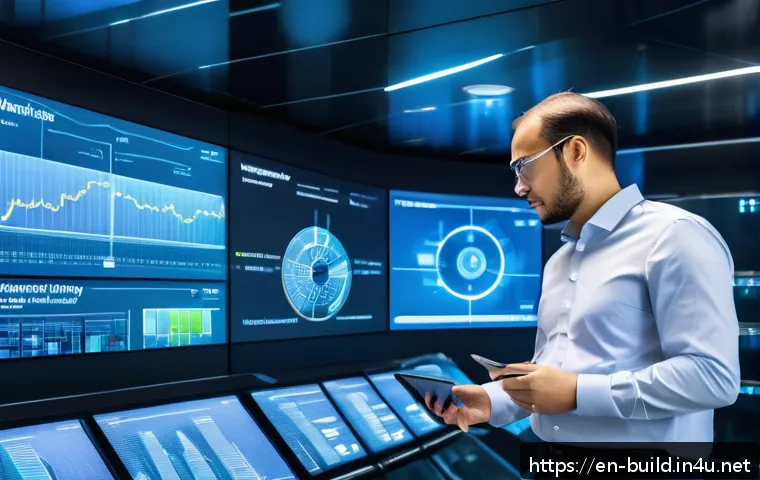
Installing smart meters and energy monitoring devices provides detailed insights into where and when electricity is being used. This data helps identify high-consumption appliances or behaviors that could be modified.
In one office project, monitoring revealed that certain equipment was running overnight unnecessarily. Addressing this reduced energy waste and lowered monthly bills significantly.
Automated Power Management Systems
Automation systems can schedule and control non-essential devices such as printers, coffee machines, and signage to power down during off-hours. Integrating these systems with building management software streamlines energy-saving efforts without relying on manual intervention.
I’ve found that once automated schedules are set, building occupants rarely need reminders, resulting in consistent energy savings.
Behavioral Feedback and Incentives
Providing occupants with regular feedback on their energy use encourages mindful consumption. Some buildings implement dashboards or apps showing real-time savings and offer incentives for reduced usage.
During a project at a residential complex, sharing monthly energy reports with tenants motivated them to adopt energy-conscious habits, amplifying the impact of installed technologies.
Upgrading Appliances and Equipment for Efficiency
Choosing Energy Star Certified Devices
Replacing old appliances with Energy Star certified models guarantees better energy efficiency. Whether it’s refrigerators, computers, or HVAC components, certified devices consume less electricity while delivering the same or better performance.
I personally replaced several outdated kitchen appliances in our office breakroom with Energy Star units, and the difference in power consumption was immediately noticeable on our bills.
Utilizing Variable Frequency Drives (VFDs)
VFDs adjust motor speed to match load requirements, cutting energy use for pumps, fans, and compressors. In industrial or large commercial buildings, this can translate into substantial savings.
I’ve witnessed manufacturing facilities reduce their motor-driven equipment’s energy demand by up to 30% after installing VFDs, which also extended equipment lifespan.
Implementing Power Strips and Smart Plugs
Many devices consume standby power even when turned off. Using advanced power strips or smart plugs that cut power completely when devices aren’t in use eliminates this phantom load.
In my experience setting up smart plugs in a small office, eliminating standby power contributed to a 5% reduction in overall electricity consumption.
Enhancing Building Envelope and Insulation
Improving Insulation and Sealing
Heat transfer through poorly insulated walls, windows, and doors forces HVAC systems to work harder. Upgrading insulation and sealing leaks reduce heating and cooling demands.
I once helped an apartment complex assess and improve insulation, resulting in a noticeable drop in energy consumption during extreme weather months.
Installing Energy-Efficient Windows
Double or triple-pane windows with low-emissivity coatings minimize heat gain in summer and heat loss in winter. Though the upfront cost is higher, the long-term savings are significant.
After retrofitting an office building with energy-efficient windows, the management noticed a 10-15% decrease in heating and cooling costs.
Using Reflective Roofing Materials
Reflective or cool roofing materials reduce heat absorption, lowering cooling loads during hot seasons. In my experience with a retail store renovation, switching to a reflective roof material contributed to more stable indoor temperatures and reduced air conditioning energy use.
Incorporating Renewable Energy and Storage Solutions
Solar Panel Installation
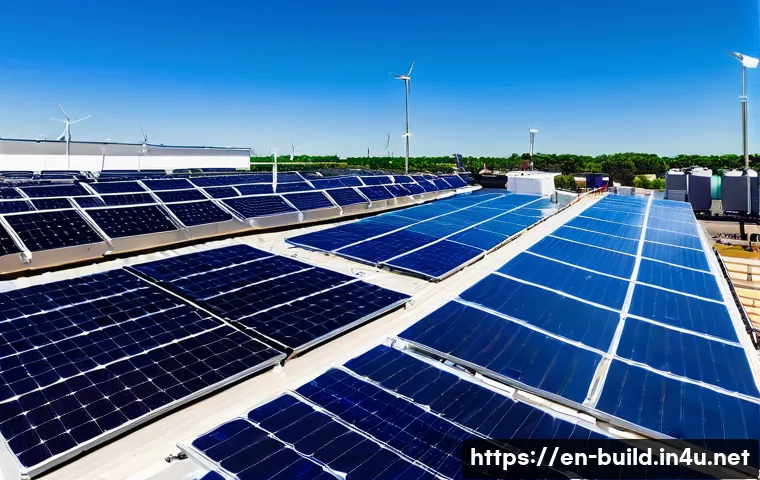
Solar photovoltaic panels can offset a significant portion of a building’s electricity consumption, especially in sunny regions. I’ve personally overseen a small office’s solar installation that cut grid electricity use by nearly 40%, providing both savings and a strong environmental statement.
Battery Storage for Peak Shaving
Pairing solar with battery storage allows buildings to store excess energy for use during peak demand periods, when electricity rates are highest. This strategy reduces peak charges and increases energy independence.
Implementing battery storage in a commercial building I advised helped reduce peak demand charges, lowering overall energy expenses.
Net Metering and Incentives
Many utilities offer net metering programs, allowing buildings to sell excess solar power back to the grid, further improving ROI. Additionally, tax credits and rebates can offset installation costs.
Researching and taking advantage of these incentives was crucial in making renewable energy projects financially viable in the buildings I’ve worked with.
| Technology | Energy Savings Potential | Typical Payback Period | Additional Benefits |
|---|---|---|---|
| LED Lighting | Up to 75% | 1-3 years | Longer lifespan, less heat output |
| Smart Thermostats | 10-15% | 1-2 years | Improved comfort, automated control |
| HVAC Upgrades | 15-30% | 3-7 years | Enhanced reliability, better air quality |
| Energy Star Appliances | 20-50% | 2-5 years | Lower operating costs, quieter operation |
| Solar Panels | 30-50% (depending on location) | 5-10 years | Reduced carbon footprint, energy independence |
| Battery Storage | Variable | 5-10 years | Peak demand reduction, backup power |
Conclusion
Optimizing lighting and energy systems offers substantial savings while improving comfort and efficiency. From upgrading to LED bulbs to integrating smart controls and renewable energy, these strategies collectively reduce electricity costs and environmental impact. Implementing even a few of these measures can transform your energy usage and deliver long-term benefits. Taking action today not only cuts expenses but also supports a more sustainable future.
Useful Information to Know
1. LED lighting upgrades can reduce electricity consumption by up to 75%, making it one of the fastest ways to save energy.
2. Smart thermostats and zoning systems tailor heating and cooling to actual usage patterns, preventing waste and enhancing comfort.
3. Regular maintenance of HVAC systems is crucial; neglect can lead to higher energy bills and reduced equipment lifespan.
4. Energy monitoring tools reveal hidden energy drains, helping you target savings more effectively.
5. Leveraging renewable energy sources like solar panels combined with battery storage can significantly lower dependence on the grid and reduce peak demand charges.
Key Takeaways
Upgrading to energy-efficient technologies and incorporating smart automation are essential steps toward reducing electricity expenses. Consistent maintenance and behavior change amplify these savings. Additionally, investing in renewable energy and understanding local incentives can improve return on investment. Prioritizing these approaches creates a comfortable, cost-effective, and environmentally responsible energy strategy tailored to your building’s needs.
Frequently Asked Questions (FAQ) 📖
Q: What are the most effective technologies to reduce electricity costs in buildings?
A: Based on my experience, smart thermostats and LED lighting systems are game changers when it comes to cutting electricity bills. Smart thermostats optimize heating and cooling by adjusting to your schedule, which can easily save 10-15% on energy costs.
Upgrading to LED lighting not only reduces wattage use by up to 75% compared to traditional bulbs but also lasts much longer, meaning fewer replacements and less waste.
Combining these with occupancy sensors and energy-efficient appliances creates a powerful strategy that quickly shows up in lower utility bills.
Q: How quickly can I expect to see savings after implementing energy-efficient upgrades?
A: From what I’ve seen, some savings start showing up almost immediately, especially with smart thermostats and lighting controls. For example, in an office I managed, the electricity bill dropped noticeably within the first month after installing these systems.
However, bigger investments like solar panels or comprehensive HVAC upgrades might take a year or more to fully pay off. The key is consistency—regularly maintaining equipment and fine-tuning settings can maximize your savings over time.
Q: Are there simple changes I can make without major upfront costs to lower my building’s electricity use?
A: Absolutely! Sometimes the easiest fixes are the most overlooked. I’ve found that encouraging habits like turning off lights and equipment when not in use, using power strips to cut phantom loads, and optimizing natural daylight can make a real dent in energy consumption without spending a dime.
Also, sealing drafts around windows and doors improves heating and cooling efficiency, reducing the workload on your systems. These low-cost steps, paired with smart behavior, create a foundation for bigger savings down the road.