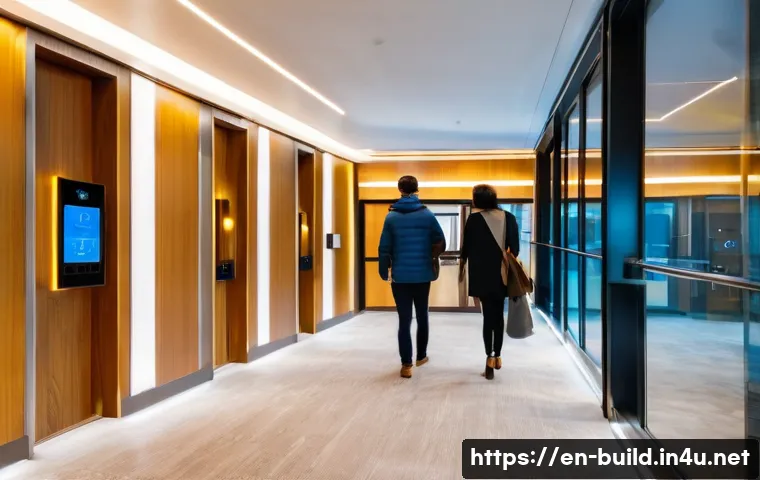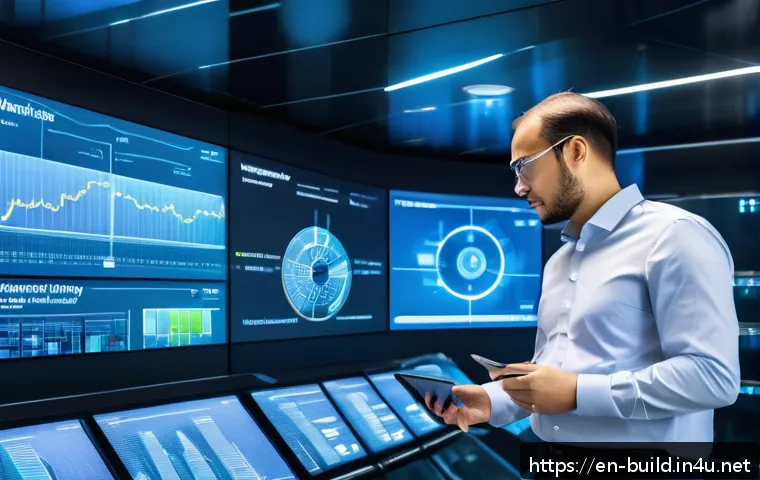
As we step into 2024, the landscape of building maintenance is undergoing a remarkable transformation driven by cutting-edge smart technologies and a growing commitment to sustainability.
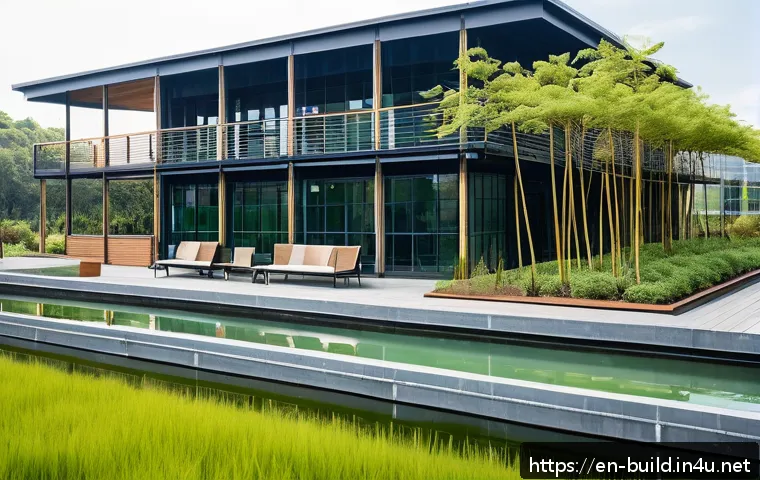
From AI-powered monitoring systems to eco-friendly materials, these innovations are not only enhancing efficiency but also reducing environmental impact.
If you’ve ever wondered how the future of property management will look, now is the perfect time to explore these game-changing strategies. Join me as we dive into the latest trends that are reshaping how buildings are maintained, making them smarter, greener, and more cost-effective than ever before.
This journey promises insights that could revolutionize your approach to facility upkeep.
Revolutionizing Building Health with AI-Driven Insights
Predictive Maintenance: Preventing Failures Before They Occur
In the past, building maintenance often meant reacting to issues after they surfaced, leading to costly downtime and emergency repairs. Today, AI-powered predictive maintenance tools analyze data from sensors embedded in critical building systems like HVAC, elevators, and lighting.
These systems continuously monitor performance metrics such as temperature fluctuations, vibration levels, and energy consumption. Based on this data, AI algorithms predict when components are likely to fail or require servicing.
This proactive approach not only extends the lifespan of equipment but also minimizes unexpected breakdowns, saving building managers significant time and money.
From my experience working with such systems, the peace of mind knowing that a potential malfunction is flagged weeks in advance is invaluable.
Automated Fault Detection and Diagnostics
Gone are the days when technicians had to manually inspect every system to identify issues. Smart monitoring platforms now automatically detect anomalies and diagnose problems in real time.
For example, if an HVAC unit starts consuming more energy than usual or shows irregular temperature outputs, the system alerts facility managers immediately.
This rapid detection accelerates troubleshooting and repairs, often allowing remote fixes or scheduling maintenance during off-peak hours to avoid disruption.
Having witnessed this firsthand, I can attest that automated fault detection dramatically reduces the time between problem identification and resolution, keeping buildings running smoothly without constant human oversight.
Data-Driven Decision Making for Smarter Investments
The wealth of data collected through AI-enabled monitoring creates opportunities for strategic decision-making. Facility managers can analyze trends over time to optimize maintenance schedules, prioritize upgrades, and allocate budgets more effectively.
Instead of guessing when to replace aging equipment, decisions are based on precise usage patterns and performance degradation rates. This level of insight empowers managers to invest in technologies and repairs that deliver the highest ROI and improve occupant comfort.
From my perspective, leveraging data analytics transforms maintenance from a cost center into a driver of operational excellence.
Embracing Sustainable Materials and Green Building Practices
Eco-Friendly Materials Redefining Maintenance Norms
The shift toward sustainability is reshaping how buildings are constructed and maintained. Materials like recycled steel, low-VOC paints, and rapidly renewable resources such as bamboo are gaining traction due to their environmental benefits and durability.
These materials reduce the carbon footprint and often require less frequent upkeep compared to traditional options. For example, recycled steel framing resists corrosion and pests better than wood, leading to fewer repairs over time.
From my observation, integrating sustainable materials not only aligns with green building certifications but also results in long-term savings on maintenance costs.
Water Conservation Technologies in Facility Management
Water scarcity concerns have accelerated the adoption of smart irrigation systems, low-flow fixtures, and rainwater harvesting solutions in building maintenance.
Automated irrigation controls adjust watering schedules based on weather forecasts and soil moisture levels, drastically reducing water waste. Similarly, sensor-equipped faucets and toilets prevent leaks and overuse by shutting off flow when not needed.
I recall managing a property where installing these technologies cut water usage by nearly 30%, demonstrating how sustainability and cost efficiency can go hand in hand.
Energy-Efficient Retrofitting and Upgrades
Retrofitting existing buildings with energy-efficient technologies like LED lighting, advanced insulation, and smart thermostats is now a priority for many property owners.
These upgrades reduce energy consumption, lower utility bills, and improve occupant comfort. Integrating renewable energy sources such as solar panels further enhances sustainability while offering potential tax incentives and rebates.
Through personal involvement in several retrofit projects, I’ve seen firsthand how these measures pay off quickly and contribute to a building’s overall green profile.
Integrating IoT for Seamless Facility Operations
Connected Sensors for Real-Time Environmental Control
IoT sensors embedded throughout buildings monitor air quality, humidity, temperature, and occupancy in real time. This data enables automated adjustments to ventilation and lighting systems, optimizing energy use and ensuring healthy indoor environments.
For example, lighting can dim automatically in unoccupied rooms, and HVAC systems can modulate airflow based on occupancy patterns. My experience with IoT-enabled buildings reveals that occupants often notice improved comfort levels, which boosts productivity and satisfaction.
Remote Monitoring and Mobile Management Apps
Facility managers now have the ability to oversee building operations remotely via mobile apps connected to IoT platforms. This convenience means issues can be identified and addressed quickly, even when offsite.
Alerts, system status updates, and maintenance schedules are accessible on the go, streamlining communication between technicians and management. I find this flexibility invaluable, especially in managing multiple properties where physical presence at every site isn’t feasible.
IoT-Enabled Security Enhancements
Security systems have evolved with IoT integration, offering features like smart locks, facial recognition cameras, and automated access control. These technologies improve safety while reducing the manpower needed for monitoring.
Alerts triggered by unusual activity enable swift responses to potential threats. Based on my observations, IoT security solutions not only protect assets but also enhance tenant confidence and building reputation.
Advanced Energy Management Systems for Cost Reduction
Dynamic Energy Usage Analytics
Energy management platforms collect granular consumption data from various building systems, providing insights into peak usage times and inefficiencies.
This information guides adjustments such as load shifting and demand response strategies that reduce peak energy costs. Having implemented these systems, I’ve seen energy bills drop noticeably without sacrificing occupant comfort.
Integration with Renewable Energy Sources
Modern energy management systems seamlessly integrate with onsite renewable generation like solar or wind power. They optimize the balance between energy consumption, storage, and grid usage to maximize savings and sustainability.
This integration also supports carbon footprint tracking and reporting, important for corporate sustainability goals. My personal experience with such systems shows how they transform buildings into smarter, self-sustaining ecosystems.
Automated Demand Response and Load Control
Automated controls adjust non-essential energy loads during peak demand periods to avoid costly surcharges. For example, dimming lights or reducing HVAC output in common areas temporarily helps manage overall consumption.
These demand response programs often come with financial incentives from utilities, making them a win-win. From what I’ve seen, participation in these programs requires smart technology but yields tangible cost benefits.
Enhancing Occupant Experience Through Smart Facilities
Personalized Environmental Controls
Smart buildings increasingly allow occupants to customize lighting, temperature, and even window shading via smartphone apps or voice commands. This personalization enhances comfort and wellbeing, fostering a better work or living environment.
In buildings I’ve managed with these features, occupant satisfaction and retention rates improved significantly.
Interactive Digital Signage and Wayfinding
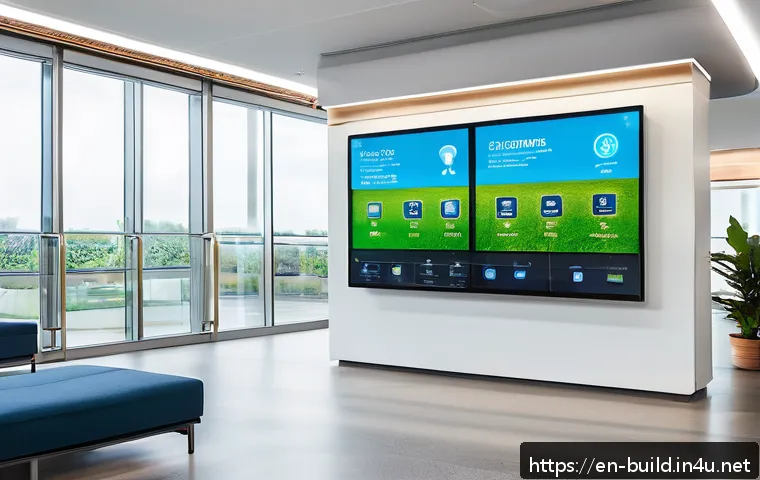
Digital kiosks and interactive maps help visitors and tenants navigate complex buildings easily. These systems can also display real-time information like weather updates, event schedules, or emergency alerts.
My experience indicates that such technology not only improves convenience but also contributes to a modern, high-tech image for the property.
Wellness-Focused Amenities and Monitoring
Integrating wellness features such as air purification systems, circadian lighting, and noise monitoring supports occupant health. Buildings equipped with these amenities attract tenants who prioritize wellbeing, which is increasingly important post-pandemic.
I’ve noticed that these enhancements often become key selling points in competitive markets.
Comprehensive Overview of Key Smart Maintenance Technologies
| Technology | Main Benefit | Typical Application | Impact on Maintenance |
|---|---|---|---|
| AI Predictive Maintenance | Early fault detection | HVAC, elevators, electrical systems | Reduced downtime, cost savings |
| IoT Sensors | Real-time monitoring | Environmental controls, security | Improved comfort and safety |
| Energy Management Systems | Optimized energy use | Lighting, HVAC, renewable integration | Lower utility bills, sustainability |
| Smart Water Systems | Water conservation | Irrigation, plumbing fixtures | Reduced waste, cost efficiency |
| Sustainable Materials | Environmental impact reduction | Construction, retrofitting | Long-term durability, lower upkeep |
Preparing Your Team for the Smart Maintenance Era
Training Facility Staff on New Technologies
Introducing advanced technologies requires comprehensive training for maintenance teams. Hands-on workshops, vendor-led sessions, and continuous learning programs ensure that staff can confidently operate and troubleshoot new systems.
Based on my interactions with facility teams, investing in training reduces resistance to change and improves overall efficiency.
Adapting Maintenance Protocols and Schedules
Traditional maintenance checklists must evolve to incorporate data-driven insights and automated alerts. This means shifting from fixed schedules to condition-based maintenance, which prioritizes actions based on real-time system health.
I’ve seen that this adaptation not only optimizes resource use but also enhances accountability within teams.
Fostering a Culture of Innovation and Sustainability
Successful adoption of smart maintenance strategies depends on cultivating a mindset open to innovation and environmental responsibility. Encouraging staff to share feedback and participate in green initiatives creates a collaborative atmosphere that drives continuous improvement.
From my experience, organizations that embrace this culture see faster integration of smart technologies and better long-term outcomes.
Closing Thoughts
Embracing AI and smart technologies is transforming building maintenance into a proactive, efficient, and sustainable practice. From predictive maintenance to energy management, these innovations enhance operational performance and occupant comfort. My experience shows that integrating these tools not only saves costs but also future-proofs facilities for evolving demands. Adopting smart maintenance strategies truly paves the way for smarter, greener buildings.
Helpful Information to Keep in Mind
1. Predictive maintenance leverages AI to spot issues before they escalate, reducing downtime and repair costs.
2. IoT sensors provide real-time data that improves environmental comfort and security while optimizing resource use.
3. Sustainable materials and water-saving technologies contribute to long-term durability and environmental responsibility.
4. Energy management systems enable smarter consumption, integrating renewables to cut costs and carbon footprints.
5. Proper training and cultural shifts within facility teams are essential to successfully implement and maintain smart technologies.
Key Takeaways for Smart Facility Management
Implementing smart maintenance requires a shift from reactive to data-driven practices, emphasizing early fault detection and automated monitoring. Integrating sustainable materials and energy-efficient upgrades supports environmental goals while reducing operational expenses. Equipping teams with thorough training and fostering innovation are critical to maximizing the benefits of these technologies. Ultimately, smart facility management enhances both building performance and occupant satisfaction, creating a resilient and future-ready environment.
Frequently Asked Questions (FAQ) 📖
Q: uestions about Smart and Sustainable Building Maintenance in 2024Q1: How do
A: I-powered monitoring systems improve building maintenance efficiency? A1: AI-powered monitoring systems transform building maintenance by providing real-time data analysis and predictive insights.
Instead of waiting for equipment to fail, these systems detect early signs of wear or malfunction, allowing maintenance teams to act proactively. From my experience, this approach significantly reduces downtime and repair costs.
Plus, AI can optimize energy usage by adjusting HVAC and lighting based on occupancy patterns, which not only saves money but also supports sustainability goals.
Q: What sustainable materials are currently leading the way in eco-friendly building maintenance?
A: The market has seen a surge in eco-friendly materials like recycled composites, low-VOC paints, and bio-based sealants. These materials minimize environmental harm and improve indoor air quality.
I’ve personally noticed how switching to these options not only aligns with green building certifications but also extends the lifespan of building components.
Using such materials is a practical way to reduce a building’s carbon footprint while maintaining high durability and performance.
Q: Can smart building technologies really reduce overall maintenance costs?
A: Absolutely. Smart technologies like IoT sensors, automated fault detection, and remote monitoring streamline maintenance processes, which cuts labor and emergency repair expenses.
From what I’ve observed working with building managers, these tools help prioritize critical issues, avoiding unnecessary routine checks and preventing costly breakdowns.
Over time, the initial investment in smart systems pays off through energy savings, longer equipment life, and improved occupant satisfaction.