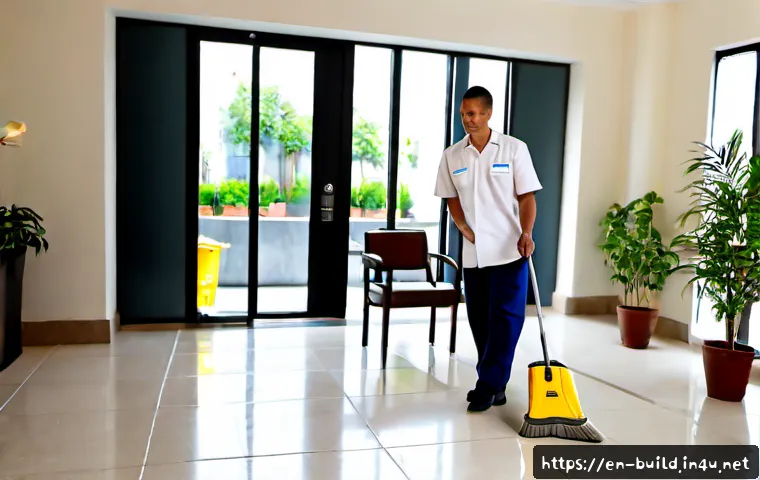
Manage shared spaces with clear cleaning standards, practical schedules, supply controls, and vendor comparison criteria. Learn when an in-house plan works and when professional cleaning may add value.
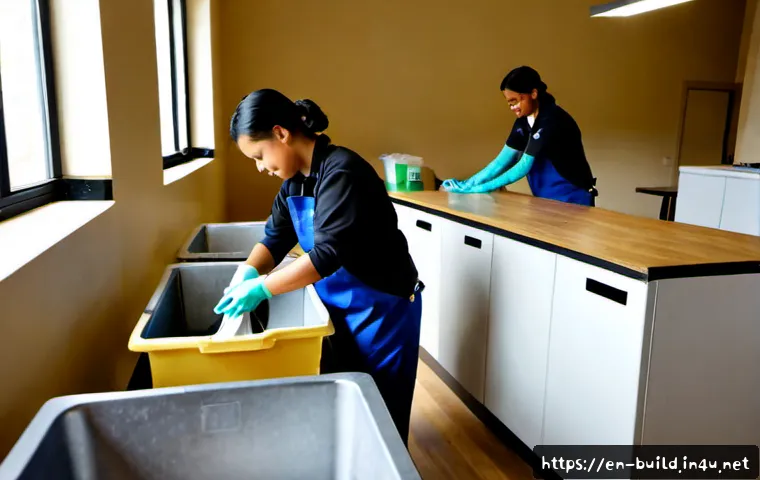
A basic internal checklist can work when traffic is predictable, tasks are clearly assigned, and supplies are reliably controlled. Request commercial cleaning service quotes when shared areas have heavier use, recurring complaints, wider coverage needs, or limited staff time for inspection and follow-up. The right choice is not simply the lowest-cost option; it depends on workload, accountability, and how clearly the cleaning scope is defined. A written standard helps managers compare in-house routines, independent cleaners, and janitorial contracts on the same terms. It also prevents common gaps around restrooms, entryways, waste areas, and high-touch surfaces. Use the plan below to build a schedule that matches the way people actually use the space.
At a Glance
- Match frequency to use: high-traffic and high-touch areas generally need more attention than low-contact spaces.
- Write the scope first: clear task lists improve internal accountability and make cleaning service quotes easier to compare.
- Review more than price: compare labor coverage, consumables, quality checks, and after-hours support before choosing a provider.
| Cleaning Approach | Control | Coverage Considerations | Cost Factors to Review |
|---|---|---|---|
| In-house routine | Direct control over tasks and timing | Depends on staff availability, backup coverage, and clear ownership | Staff time, supplies, equipment, supervision, and missed-task follow-up |
| Independent cleaner | Can be flexible for a smaller or defined scope | May suit limited schedules; clarify substitutions and availability | Included tasks, supply responsibility, visit timing, and quality expectations |
| Commercial janitorial contract | Scope can be documented and reviewed regularly | May provide broader service coverage, supervision, and after-hours options | Labor hours, consumables, inspections, extra services, and contract terms |
Build a Cleaning Standard That Matches How the Space Is Actually Used
A useful cleaning standard begins with what happens in the building, not with a generic checklist. Walk through each shared area and identify traffic volume, touch points, surface materials, and the purpose of the space. A quiet hallway and a busy entrance may look similar on a floor plan, but they do not create the same cleaning workload.
Start With Traffic, Touch Points, and the Purpose of Each Area
List areas such as entryways, hallways, restrooms, break rooms, elevators, laundry rooms, meeting rooms, gyms, and waste stations. Then note where people regularly touch handles, buttons, railings, shared equipment, and fixtures. High-touch surfaces may need more frequent attention than low-contact areas. Product labels and manufacturer instructions should guide the use of disinfectants and specialty-surface products.
Separate Routine Cleaning, Deep Cleaning, and Incident Response
Routine cleaning covers the repeatable work that keeps an area presentable and usable. Deep cleaning addresses tasks that do not fit a normal shift, such as detailed floor care or less-accessible surfaces. Incident response covers unexpected spills, overflow, odors, or other conditions requiring prompt attention. Separating these categories keeps routine tasks from being displaced by occasional work.
Use a Three-Line Operating Summary for Staff and Occupants
Keep the operating message simple: clean shared areas according to traffic and touch level; report problems through one clear channel; do not use products outside their label instructions. This helps staff understand the standard and gives occupants a practical way to flag issues before complaints build up.
Compare Internal Cleaning Routines With Outsourced Janitorial Support
The best model depends on who can complete the work, verify the result, and respond when the schedule changes. A low headline price is less useful if the scope leaves important areas unaddressed or no one owns the follow-up.
In-House Staff: Control and Flexibility, but Hidden Time Costs
In-house cleaning can be practical when tasks are limited, daily use is predictable, and a responsible person can inspect the work. It provides direct control over timing and priorities. However, management should account for the time spent assigning tasks, maintaining supplies, covering absences, checking results, and handling recurring issues.
Independent Cleaners: When a Smaller Scope May Be Practical
An individual cleaner may fit a smaller property or a narrow service need. The scope should still be written down: which rooms are included, which tasks occur at each visit, who provides consumables, and how missed work is reported. Confirm practical details such as access arrangements and availability before assuming the service can cover every situation.
Commercial Cleaning Companies: Coverage, Supervision, and Contract Clarity
A commercial cleaning company may be worth considering when the property needs broader coverage, scheduled quality checks, multiple service periods, or support outside normal operating hours. Janitorial contract comparison should focus on the actual service scope, not only the quoted total. Vendor proposals can differ substantially in labor hours, included tasks, consumables, quality control, and after-hours availability.
What to Compare Beyond the Lowest Quote
Ask each provider to describe the same scope of work. Compare included rooms, task frequency, consumable handling, floor care, waste duties, inspection procedures, reporting channels, and how changes are handled. When reviewing commercial cleaning quotes, unclear wording is a warning sign: it can lead to different expectations after service begins.
Create a Workable Schedule, Checklist, and Supply System
A schedule should be simple enough to use every day and detailed enough to prevent important tasks from disappearing. Organize it by area and frequency rather than relying on memory.
Daily, Weekly, Monthly, and Seasonal Task Examples
Daily attention may be appropriate for entryways, restrooms, waste stations, and heavily used shared equipment. Weekly work may include more detailed cleaning of lower-traffic areas and break-room surfaces. Monthly or periodic tasks can cover deeper floor care, detailed cleaning in less-used spaces, and a review of supply storage. The exact frequency depends on occupancy, local requirements, use patterns, and surface needs.
Assign Ownership and Backup Responsibility
Every task needs an owner, whether it is an employee, a building coordinator, or a cleaning vendor. Add a backup plan for absences, busy periods, and unexpected events. Inspection logs and issue-reporting channels make it easier to spot repeated problems, such as a restroom that runs out of supplies or an entrance that becomes untidy after peak traffic.
Track Consumables, Equipment, and Storage Access
Cleaning supply systems work best when storage is controlled and easy to inspect. Consider access control, labeling, ventilation, and separation from food or public-use areas where applicable. Track refill items, equipment condition, and who can enter storage areas. This reduces last-minute supply gaps and makes handoffs between staff or vendors clearer.
Avoid Common Failures in Shared-Area Upkeep
Most shared-space cleaning failures are operational rather than complicated. They happen when the schedule does not reflect actual use, nobody verifies the result, or the scope leaves key tasks open to interpretation.
Treating Every Area With the Same Frequency
A uniform schedule can waste effort in quiet spaces while overlooking heavily used ones. Adjust the plan when traffic changes, shared equipment is added, or a room begins serving a different purpose.
Leaving Restrooms, Waste Stations, and Entryways Without Inspection Routines
These areas can affect the overall impression of a property quickly. A task list is useful, but an inspection routine is what identifies empty dispensers, overflow, odor concerns, and recurring cleanliness issues before they escalate.

Using Unclear Task Lists That Lead to Disputes With Staff or Vendors
Terms such as “clean common areas” are too broad on their own. Define the location, task, expected frequency, and who supplies materials. This is especially important when requesting janitorial services or comparing commercial cleaning contracts.
Overlooking Floor Care, Odor Control, and Refill Responsibilities
Floors, odor sources, and consumables are often missed because they cross several areas of responsibility. Include them directly in the scope of work. Also confirm which products and methods are suitable for each surface rather than assuming one approach works everywhere.
Adjust the Plan for Offices, Apartments, Coworking Spaces, and Community Facilities
The same cleaning framework applies across property types, but priorities change with the way occupants share the space.
Office Kitchens and Meeting Rooms
Office kitchens need a clear plan for shared surfaces, waste, refills, and reporting spills. Meeting rooms may require attention after frequent use, particularly when equipment, tables, and door handles are shared.
Apartment Lobbies, Hallways, Elevators, and Laundry Rooms
Apartment common areas often combine entry traffic with ongoing resident use. Lobbies and elevators may require closer attention to touch points, while laundry rooms need a practical approach to shared machines, surfaces, waste, and supply checks.
Coworking and Shared Amenity Areas
Coworking spaces can have changing occupancy throughout the day. Use inspection logs to identify peak periods and recurring trouble spots. Shared desks, kitchens, meeting rooms, and amenity areas should each have a defined cleaning and reporting process.
Community Rooms, Gyms, and Multi-Use Facilities
Multi-use rooms may shift from low use to heavy use without much notice. Build flexibility into the schedule and make incident reporting easy. For specialty surfaces or equipment, follow manufacturer instructions and product labels before selecting cleaning products.
Selection Criteria and Comparison Summary
Before selecting a cleaning approach, use this neutral checklist:
- Scope: Are every area, task, frequency, and excluded service clearly listed?
- Coverage: Who performs the work, who provides backup, and what happens outside normal hours?
- Supplies: Are consumables, equipment, storage access, and refill duties clearly assigned?
- Quality control: Is there an inspection process and an issue-reporting channel?
- Comparison: Do commercial cleaning service quotes use the same task list and service assumptions?
- Review process: Is there a planned check after the first service period to adjust the scope?
When comparing providers, review the official service details and contract conditions on the relevant provider page before making a decision.
In Closing
Shared-space cleaning management works best when the standard reflects real traffic, real touch points, and real management capacity. Start with a written checklist, assign clear ownership, and inspect the areas most likely to create complaints. If internal coverage becomes difficult to coordinate, a structured request for janitorial service quotes can clarify what outside support would include. The goal is a reliable system, not a one-size-fits-all schedule.
Useful Information to Keep in Mind
Keep one issue-reporting channel: a consistent process helps identify repeated problems. Use labels as instructions: cleaning products and specialty surfaces should be handled according to product labels and manufacturer guidance. Review supplies routinely: controlled storage and clear refill ownership prevent avoidable interruptions.
Important Considerations
The appropriate cleaning frequency, local sanitation requirements, contractor licensing, insurance, safety obligations, and exact service costs vary by property and location. Confirm the requirements that apply to your building before finalizing a cleaning plan or signing a janitorial contract. A product, disinfectant, or equipment type may not be suitable for every surface or health-related use case.
Frequently Asked Questions
Q1. How often should common areas be cleaned in an office or apartment building?
A1. Frequency should reflect foot traffic, the type of use, surface materials, and hygiene needs. High-touch areas such as handles, elevator buttons, railings, and shared equipment may need more frequent attention than low-contact spaces. The right schedule for a particular building requires a review of its occupancy and local requirements.
Q2. Is it cheaper to manage shared-space cleaning in-house or hire a commercial cleaning company?
A2. There is no universal answer because costs vary with service scope, labor market, square footage, timing, and contract terms. Compare the full workload: staff time, supplies, equipment, supervision, backup coverage, inspections, and the cost of addressing missed tasks. A commercial cleaning quote is most useful when it covers the same written scope as the internal plan.
Q3. What should be included when comparing janitorial service quotes?
A3. Compare labor coverage, listed tasks, frequency, consumables, equipment, quality inspections, issue reporting, after-hours availability, and any services that are excluded. A written scope of work gives each provider the same basis for a proposal and makes differences easier to identify.