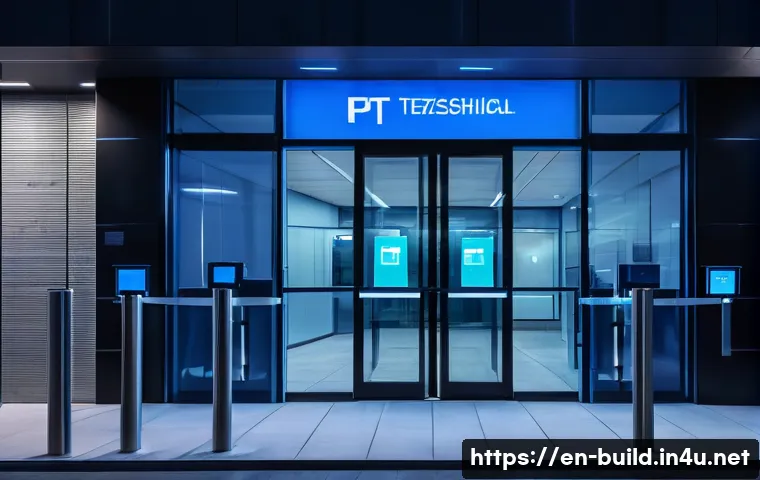
Investing in a building security system is becoming increasingly essential in today’s world, where safety concerns continue to rise. Whether you’re managing a residential complex or a commercial property, understanding the costs involved can help you make informed decisions.
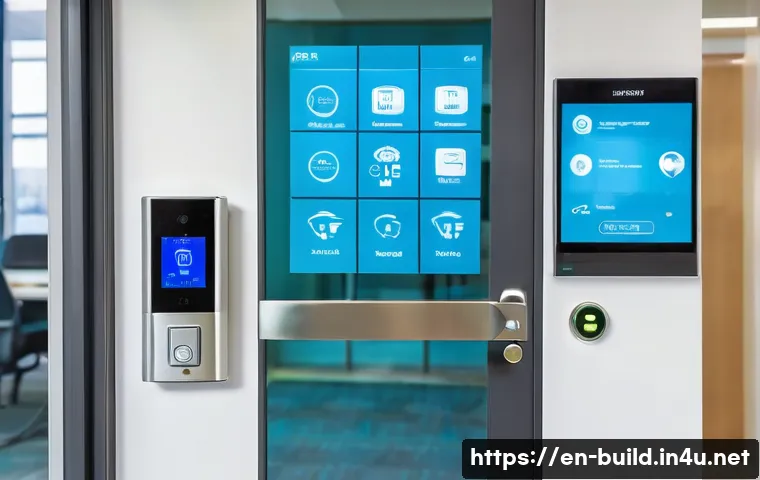
From advanced surveillance cameras to smart alarm systems, the price range varies widely depending on the technology and scale of installation. While some options may seem costly upfront, they often save money by preventing theft and damage in the long run.
I’ve explored various solutions firsthand and noticed how tailored setups can fit different budgets and needs. Let’s dive deeper to uncover what factors influence these costs and how you can find the best value for your security investment.
Stay with me as we break it all down clearly and thoroughly!
Understanding Key Components That Impact Security Setup Expenses
Surveillance Cameras: Quality and Coverage Matter
Choosing the right surveillance camera system is often the biggest cost driver in building security. Higher resolution cameras with night vision, motion detection, and remote access features tend to be pricier, but they provide much clearer footage and better coverage.
For instance, installing multiple cameras to cover all entry points, parking lots, and common areas can quickly add up. I’ve noticed that opting for a mix of fixed and PTZ (pan-tilt-zoom) cameras allows for comprehensive monitoring without overspending.
Additionally, wired systems usually involve more installation labor and materials compared to wireless options, impacting the overall budget significantly.
Alarm Systems and Sensors: Customizing for Your Property
Alarm systems vary widely in cost depending on the technology and sensor types you choose. Basic alarm kits with door/window sensors and a keypad can be quite affordable, but adding glass break detectors, motion sensors, or environmental alarms (like smoke or carbon monoxide) will increase the price.
I’ve personally found that integrating smart alarms connected to your smartphone offers great peace of mind and can reduce false alarms, which might otherwise lead to costly service calls.
Whether it’s a small residential building or a sprawling commercial property, tailoring the sensor setup to your specific security risks is crucial for both effectiveness and cost control.
Access Control: Balancing Security and Convenience
Access control systems, such as keycard readers, biometric scanners, or keypad entries, also influence the budget. The more advanced the technology, the higher the upfront cost.
However, these systems can significantly reduce the need for on-site security personnel, which might save money over time. I’ve observed that a hybrid approach—using keycards for most tenants or employees and biometric systems for restricted areas—strikes a good balance between security and cost-efficiency.
Plus, modern access control solutions often come with audit trails and remote management, enhancing overall security management.
Installation and Maintenance: Hidden Costs You Shouldn’t Overlook
Professional Installation vs. DIY Options
While DIY security systems can save money upfront, professional installation ensures that every component is correctly set up and integrated. From my experience, professional installers identify blind spots and potential vulnerabilities that might be missed otherwise.
Installation costs can vary widely depending on the system’s complexity and the building’s size, but skipping this step might lead to costly fixes down the road.
It’s worth budgeting for a reputable installer who can also provide training on how to use the system effectively.
Ongoing Maintenance and Software Updates
Security systems require regular maintenance to stay reliable. Cameras might need lens cleaning, firmware updates, and occasional hardware repairs. Alarm systems and access controls often have subscription fees for monitoring services or cloud storage.
I’ve found that factoring these recurring costs into your budget upfront prevents surprises and ensures your system remains effective over time. Some providers offer maintenance contracts, which can be a worthwhile investment if you want hassle-free upkeep.
Upgrading Over Time: Planning for Future Needs
Security technology evolves quickly, so the initial installation cost is just part of the equation. When planning your budget, consider future upgrades like adding more cameras, integrating AI-powered analytics, or expanding access control capabilities.
I personally recommend choosing scalable systems that allow incremental improvements without replacing the entire setup. This approach spreads out expenses and keeps your security infrastructure up to date with minimal disruption.
Comparing Different Security Technologies and Their Cost Ranges
Analog vs. IP Cameras
Analog cameras are generally less expensive but offer lower resolution and fewer features than IP cameras, which support high-definition video and remote access.
For smaller properties, analog systems might suffice, but for larger or high-risk buildings, IP cameras provide better long-term value despite the higher cost.
Wired vs. Wireless Systems
Wired systems usually involve more labor and materials during installation but tend to be more stable and less prone to interference. Wireless systems offer easier installation and flexibility but may require more frequent battery replacements and can be vulnerable to signal issues.
Your choice depends on building layout and security priorities.
Cloud-Based vs. Local Storage Solutions
Cloud storage offers convenience and remote access but often comes with monthly subscription fees. Local storage eliminates recurring costs but requires on-site maintenance and may be less accessible remotely.
Balancing these options depends on your budget and security management preferences.
| Security Component | Typical Cost Range | Pros | Cons |
|---|---|---|---|
| Surveillance Cameras (per unit) | $50 – $500+ | High resolution, remote access, night vision | Higher upfront cost, installation complexity |
| Alarm Systems | $100 – $1,000+ | Customizable sensors, smart integration | Monitoring fees, false alarms possible |
| Access Control | $200 – $2,000+ | Enhanced security, audit trails | Higher initial investment, training needed |
| Installation | $100 – $2,000+ | Professional setup, optimal coverage | Additional upfront cost |
| Maintenance & Monitoring | $10 – $50/month | Continuous protection, updates included | Ongoing expense |
How Building Size and Layout Affect Security Expenses
Small Residential Buildings
For smaller buildings like apartment complexes or single-family homes, the security setup can be relatively simple and affordable. A few well-placed cameras and a basic alarm system often provide adequate protection.
However, even in these cases, I’ve learned that placing cameras strategically to cover entrances and communal areas makes a noticeable difference in deterrence and incident response.
Medium-Sized Commercial Properties
Medium-sized office buildings or retail stores require a more integrated approach, combining surveillance, alarms, and access control. The complexity increases because you need to secure multiple entry points, employee areas, and possibly public zones.
In my experience, investing in a centralized control system that allows remote monitoring and management can streamline security operations and justify the higher costs.
Large-Scale Facilities and Campuses
Large facilities such as hospitals, universities, or industrial parks face unique challenges due to their size and diverse access needs. Here, layered security with multiple technologies is essential.
The installation costs rise significantly, but so do the benefits in risk reduction. I’ve worked on projects where phased implementation helped spread out expenses while progressively enhancing safety.
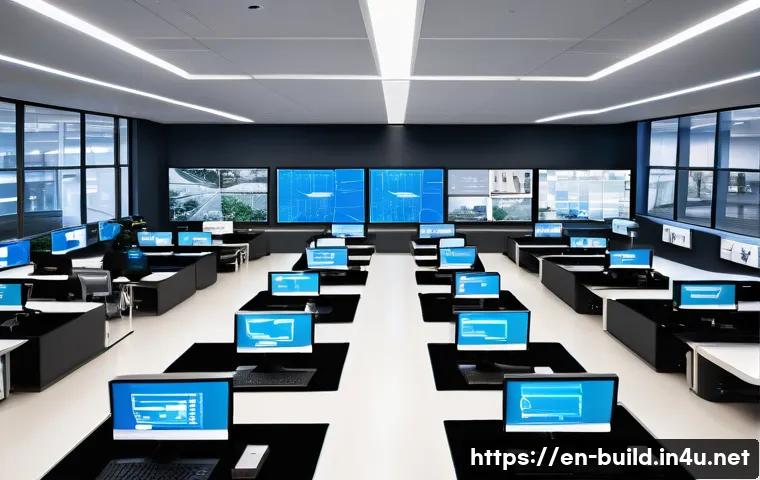
Evaluating the Role of Smart Technology in Modern Security Systems
Integration with Mobile Devices
Smart security systems offer seamless integration with smartphones and tablets, allowing real-time alerts and remote control. I find this feature incredibly useful, especially when managing multiple properties or when away from the building.
The convenience often outweighs the extra cost for smart-enabled devices.
AI and Analytics for Proactive Protection
Artificial intelligence is increasingly being used to analyze video feeds and detect unusual behavior automatically. While these advanced features add to the initial price, they can dramatically reduce false alarms and enhance response times.
From what I’ve seen, buildings equipped with AI-powered cameras tend to have fewer security incidents overall.
Voice Control and Automation
Some modern systems integrate with voice assistants and home automation platforms, enabling commands like locking doors or arming alarms through simple voice prompts.
This level of convenience is appealing, especially in residential settings, but it requires compatible devices and can add to the total investment.
Choosing the Right Vendor: What to Look For Beyond Price
Reputation and Customer Support
Price alone shouldn’t drive your decision. Vendors with strong reputations and responsive customer support provide added value that pays off over time.
I’ve encountered situations where quick support saved the day during system malfunctions, making the extra cost worthwhile.
Warranty and Service Agreements
A solid warranty and optional service agreements protect your investment from unexpected repairs. Some providers include free maintenance for a year or discounted upgrades, which can reduce long-term costs.
When evaluating options, I always check these details carefully.
Customization and Scalability
The ability to customize security solutions to your building’s unique needs and scale them as you grow is crucial. Vendors offering flexible packages and modular systems help avoid paying for unnecessary features upfront.
Based on my experience, this adaptability leads to better satisfaction and cost efficiency.
Financial Benefits of Investing Wisely in Security Infrastructure
Reducing Insurance Premiums
Many insurance companies offer discounts to properties with professionally installed security systems. These savings can offset some of the initial investment.
I’ve seen clients save hundreds annually by upgrading their security setup, making the upfront costs easier to justify.
Preventing Loss and Liability
Effective security reduces theft, vandalism, and liability claims, which can be far more expensive than the system itself. In my view, investing in quality equipment and proper installation is a form of financial protection that pays dividends in peace of mind and reduced risk.
Increasing Property Value and Tenant Satisfaction
A well-secured building is more attractive to tenants and buyers, often commanding higher rents or sales prices. From conversations with property managers, I know that tenants prioritize safety highly, and a reliable security system can be a key differentiator in competitive markets.
Conclusion
Investing in a well-planned security system is essential for protecting your property and ensuring peace of mind. By understanding the key components and how they impact costs, you can make smarter decisions tailored to your specific needs. Remember, balancing quality with budget and scalability will help you build a secure environment that grows with you. Ultimately, thoughtful security investments offer both immediate protection and long-term value.
Useful Tips to Keep in Mind
1. Always assess your property’s unique vulnerabilities before choosing security components to avoid overspending on unnecessary features.
2. Consider professional installation to ensure optimal system performance and avoid costly mistakes down the line.
3. Factor in ongoing maintenance and subscription fees early to prevent unexpected expenses and keep your system reliable.
4. Opt for scalable and customizable solutions that allow you to upgrade as your security needs evolve.
5. Check vendor reputation, warranty terms, and customer support to maximize your investment’s lifespan and effectiveness.
Key Takeaways for Your Security Setup
Choosing the right security system requires balancing upfront costs with long-term benefits such as reduced insurance premiums and property value enhancement. High-quality surveillance, alarms, and access controls are investments that pay off by minimizing risks and liabilities. Don’t overlook hidden costs like installation and maintenance, as they significantly impact your total expenditure. Lastly, selecting a trusted vendor who offers flexible, scalable solutions and reliable support ensures your security setup remains effective and adaptable over time.
Frequently Asked Questions (FAQ) 📖
Q: What are the main factors that influence the cost of a building security system?
A: Several key elements affect the overall price of a security system. First, the type and number of devices you choose—such as high-definition cameras, motion sensors, or smart alarms—play a huge role.
More advanced technology typically costs more upfront but offers better features and reliability. The size and layout of your property also matter because larger or more complex spaces require additional equipment and installation time.
Don’t forget ongoing expenses like maintenance, software subscriptions, and monitoring services, which can add up over time. From my experience, getting a customized quote based on your specific needs is the best way to avoid surprises and ensure you’re investing wisely.
Q: Can installing a security system really save money in the long run?
A: Absolutely. While the initial investment might seem steep, a well-designed security system often pays for itself by preventing costly theft, vandalism, or property damage.
In my own case managing a commercial space, I noticed a significant drop in break-ins after upgrading to a smart surveillance setup. Insurance companies may also offer discounts for properties with robust security measures, which further reduces expenses.
Plus, modern systems with remote access and alerts mean you can react quickly to any incidents, minimizing potential losses. So, yes, it’s not just an expense—it’s a smart financial move.
Q: How can I find a security system that fits my budget without compromising quality?
A: Finding the right balance between cost and quality comes down to prioritizing your specific security needs. Start by identifying your most critical vulnerabilities—whether it’s entry points, common areas, or parking lots—and focus your budget there.
Consider modular systems that allow you to expand over time instead of going all-in at once. From my personal experience, working with reputable installers who offer flexible packages and clear explanations helps a lot.
Don’t be afraid to shop around and ask for references or demos. Sometimes, a slightly higher upfront cost brings better durability and fewer headaches down the line, which ultimately saves you money.