Elevators are an essential part of modern buildings, providing convenience and accessibility to millions every day. However, without regular maintenance, their safety and performance can be compromised, leading to unexpected breakdowns or even accidents.
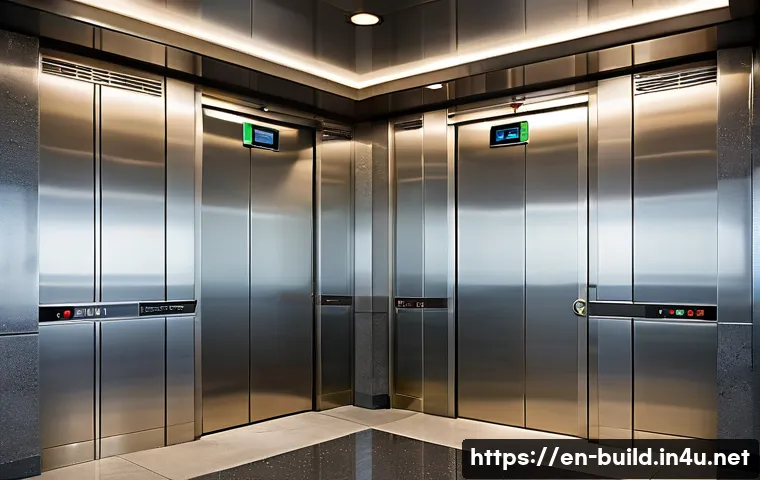
Routine inspections help identify potential issues before they become serious problems, ensuring smooth and reliable operation. As technology advances, elevator systems are becoming more sophisticated, making professional check-ups more important than ever.
Staying informed about elevator maintenance not only protects passengers but also extends the lifespan of these critical machines. Let’s dive deeper and uncover why scheduled elevator inspections matter so much!
Understanding the Critical Role of Elevator Safety Checks
How Regular Safety Inspections Prevent Emergencies
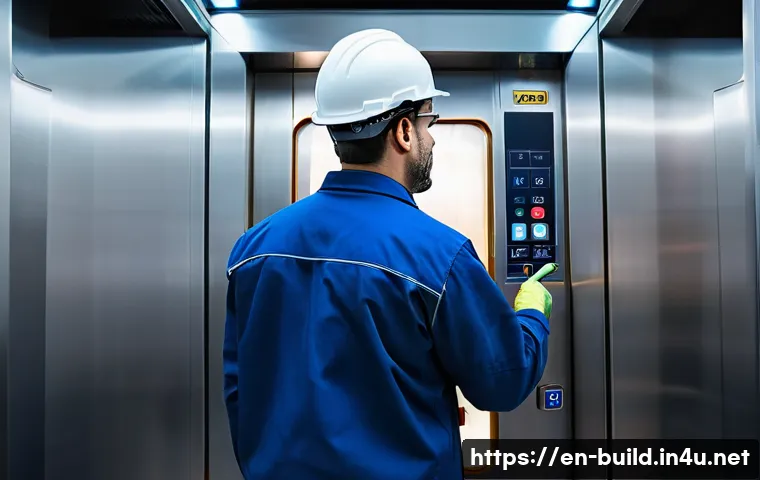
When I first started working in building maintenance, I quickly realized how vital routine elevator safety inspections are. These checks aren’t just about ticking boxes; they’re the frontline defense against unexpected failures that could cause injuries or even fatalities.
For example, catching a worn-out brake lining during a scheduled inspection can prevent a catastrophic accident. Elevators have complex mechanical and electrical components that wear down over time, and a slight oversight can snowball into a major hazard.
Regular inspections help identify these issues early, reducing the risk of emergency breakdowns and ensuring passenger safety.
Identifying Wear and Tear Before It Escalates
From my experience, most elevator problems start small and barely noticeable. But without thorough inspections, these minor issues get ignored until they cause significant downtime or expensive repairs.
Take cables, for instance. They can fray or corrode slowly, but an inspection can detect the earliest signs of damage. This proactive approach saves buildings from costly emergency fixes and keeps elevators running smoothly.
I’ve seen firsthand how maintenance teams catch subtle warning signs that most people wouldn’t notice, which ultimately prevents bigger headaches down the line.
The Impact of Inspection on Passenger Confidence
It’s interesting how much passenger trust depends on elevator reliability. Whenever I’m in a building that clearly invests in regular checks and maintenance, I feel more at ease stepping inside the elevator.
On the other hand, if the elevator looks neglected or often malfunctions, it creates anxiety and dissatisfaction. Regular inspections send a message that safety and performance are priorities, boosting confidence for everyone who rides.
This psychological factor is often overlooked but plays a huge role in overall building satisfaction and reputation.
Technological Advances Shaping Modern Elevator Maintenance
Smart Sensors and Predictive Analytics in Elevator Systems
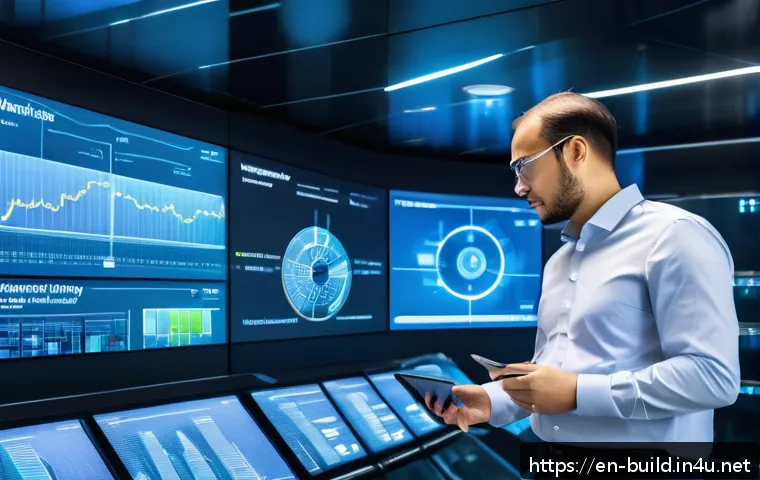
Technology has transformed elevator maintenance dramatically. Nowadays, many elevators come equipped with smart sensors that constantly monitor performance metrics like speed, vibration, and door operation.
These sensors feed data into predictive analytics software, which can forecast potential failures before they happen. I’ve worked on buildings where this technology allowed the maintenance team to schedule repairs during off-hours, avoiding disruption entirely.
This shift from reactive to proactive maintenance is a game-changer, making elevators safer and more reliable while optimizing maintenance costs.
The Growing Complexity of Elevator Components
Elevators today are far more sophisticated than the simple cable-and-pulley systems we grew up with. Modern elevators integrate advanced control systems, energy-efficient motors, and complex safety protocols.
This complexity demands highly skilled professionals to perform inspections, as a surface-level check won’t cut it anymore. I’ve noticed that training and certification requirements for elevator technicians have increased significantly, reflecting the need for expertise in handling these advanced systems.
Remote Monitoring and Its Benefits
Remote monitoring is becoming a staple in elevator management. Through real-time data transmission, technicians can track elevator health from anywhere, enabling quicker response times when issues arise.
From my perspective, this technology reduces downtime drastically. Instead of waiting for a passenger complaint or a scheduled inspection, maintenance teams can intervene immediately when abnormal activity is detected.
This not only improves safety but also enhances operational efficiency, a win-win for building managers and users alike.
Common Issues Detected During Elevator Inspections
Mechanical Wear and Component Fatigue
Elevator parts like cables, pulleys, and brakes are under constant stress. Over time, this leads to wear and fatigue, which can compromise safety if left unchecked.
In my years of inspecting elevators, I’ve frequently encountered worn cables that needed immediate replacement. Ignoring these signs can cause sudden failures.
That’s why thorough inspections focus heavily on these critical components, ensuring they meet safety standards and are replaced proactively.
Electrical System Glitches and Malfunctions
Beyond mechanical parts, electrical systems are equally important. Faulty wiring, sensor errors, or control panel issues can cause elevators to behave unpredictably.
During inspections, technicians test these systems rigorously. I remember a case where a minor sensor glitch was causing the elevator doors to close prematurely, creating a safety hazard.
Fixing it during a scheduled inspection prevented potential accidents and made the elevator safer for daily use.
Door Operation and Safety Mechanisms
Door malfunctions are among the most common complaints. Elevators rely on precise door operation for safe entry and exit. Inspections include checking door sensors, alignment, and emergency release mechanisms.
I’ve seen instances where misaligned doors caused passengers to get stuck or even trapped. Regular inspections ensure these safety features work flawlessly, providing peace of mind for everyone.
How Inspections Extend Elevator Lifespan and Save Costs
Preventing Major Breakdowns Through Early Intervention
One of the biggest advantages of scheduled inspections is cost savings. From my perspective, catching small issues early prevents expensive emergency repairs or complete system replacements.
For example, a minor motor problem detected during inspection can be fixed before it damages other components, extending the elevator’s operational life.
This approach saves building owners significant amounts of money over time.
Enhancing Energy Efficiency and Performance
Regular maintenance and inspections also contribute to better energy efficiency. Well-lubricated parts and properly calibrated systems reduce unnecessary power consumption.
I’ve noticed that elevators running smoothly use less electricity, which not only cuts costs but also aligns with sustainability goals. This dual benefit makes routine inspections an investment rather than an expense.
Maintaining Compliance with Safety Regulations
Inspections keep elevators compliant with local safety codes and standards. Non-compliance can lead to fines or legal liabilities. I’ve worked with building managers who avoided hefty penalties simply by keeping up with inspection schedules and documentation.
Staying ahead of regulations also protects occupants and enhances the building’s reputation.
What to Expect During a Professional Elevator Inspection
Step-by-Step Overview of Inspection Procedures
A typical inspection covers a wide range of checks. Technicians start by examining the mechanical parts, including cables, pulleys, and brakes. Next, they test electrical components such as control panels, sensors, and emergency systems.
Finally, door operation and safety features are scrutinized. Based on my experience, this thorough process can take a few hours but is essential for comprehensive safety assurance.
Tools and Technology Used by Inspectors
Inspectors use specialized tools like cable tension gauges, thermal cameras, and diagnostic software. I remember when a thermal camera helped detect overheating in a motor during one inspection, something that would have been missed by the naked eye.
These advanced tools enhance the accuracy of inspections and help uncover hidden problems before they escalate.
Common Inspection Reports and Recommendations
After inspection, technicians provide detailed reports outlining any issues found and recommendations for repairs or replacements. From what I’ve seen, these reports are invaluable for building managers to plan maintenance budgets and schedules.
They also serve as proof of compliance and safety diligence for regulatory authorities.
Elevator Maintenance Best Practices for Building Owners
Scheduling Inspections and Maintenance Regularly
Consistency is key when it comes to elevator care. I always advise building owners to set up a strict maintenance calendar and stick to it. Waiting too long between inspections can lead to missed warning signs and unexpected failures.
Establishing a routine helps avoid surprises and keeps the elevator running reliably year-round.
Choosing Qualified and Certified Technicians
Not all elevator maintenance providers are created equal. Based on my experience, hiring certified professionals with proven expertise makes a huge difference.
Certified technicians understand the latest technology and safety standards, ensuring the inspection is thorough and accurate. Cutting corners here can cost far more in the long run.
Investing in Modernization When Necessary
Sometimes, inspections reveal that an elevator is outdated and needs modernization. I’ve worked with buildings that upgraded control systems and safety features following inspection reports.
These investments improve safety, reduce maintenance frequency, and enhance user experience. While it requires upfront capital, the long-term benefits are undeniable.
Elevator Inspection Frequency and Regulatory Requirements
Typical Inspection Intervals Based on Building Type
Inspection frequency varies depending on the building’s use and elevator traffic. For example, residential buildings might require inspections every 6 to 12 months, while commercial or high-rise buildings often need quarterly checks.
From what I’ve observed, high-traffic elevators demand more frequent attention to maintain safety and performance.
Understanding Local and National Safety Codes
Building owners must stay informed about relevant safety codes, such as those set by the American Society of Mechanical Engineers (ASME) or local authorities.
These codes dictate minimum inspection and maintenance standards. I’ve seen cases where adherence to these codes prevented legal issues and ensured safe operation.
Consequences of Neglecting Inspection Requirements
Ignoring inspection schedules can have severe consequences, including increased accident risk, costly repairs, legal penalties, and insurance problems.
I’ve encountered buildings forced to shut down elevators temporarily due to failed inspections. The inconvenience and reputational damage alone make compliance essential.
Summary Table of Key Elevator Inspection Components
| Inspection Area | What Inspectors Check | Importance | Typical Frequency |
|---|---|---|---|
| Mechanical Systems | Cables, pulleys, brakes, motors | Prevents mechanical failure and accidents | Every 6 months to 1 year |
| Electrical Systems | Control panels, wiring, sensors | Ensures reliable operation and safety | Every 6 months to 1 year |
| Door Operation | Door sensors, alignment, emergency release | Prevents entrapment and injury | Every 3 to 6 months |
| Safety Mechanisms | Emergency brakes, alarms, communication systems | Critical for passenger safety during emergencies | Annually or as required by law |
| Performance Testing | Speed, leveling, smoothness of ride | Ensures comfort and operational efficiency | Annually or biannually |
Conclusion
Elevator safety inspections play an essential role in preventing accidents, ensuring smooth operation, and maintaining passenger confidence. Regular and thorough checks not only extend the lifespan of elevator systems but also help building owners avoid costly repairs and legal issues. Embracing modern technology and professional expertise further elevates safety standards. Ultimately, a proactive approach to elevator maintenance benefits everyone who relies on these vital transportation systems daily.
Useful Information to Keep in Mind
1. Consistent scheduling of elevator inspections is crucial to catch minor issues before they escalate into serious problems.
2. Hiring certified and experienced technicians ensures inspections are accurate and all safety standards are met.
3. Modern elevators require specialized knowledge due to their complex mechanical and electronic systems.
4. Remote monitoring technologies can greatly reduce downtime by allowing immediate response to detected anomalies.
5. Staying compliant with local and national safety regulations protects building owners from fines and legal complications.
Key Takeaways
Routine elevator inspections are indispensable for safety, performance, and cost-efficiency. Identifying wear and malfunctions early prevents emergencies and expensive repairs. Utilizing advanced diagnostic tools and predictive technologies enhances maintenance effectiveness. Building owners should prioritize regular inspections by qualified professionals and consider modernization when necessary to maintain reliability and user trust. Compliance with regulatory requirements is non-negotiable for legal and operational peace of mind.
Frequently Asked Questions (FAQ) 📖
Q: How often should elevators undergo maintenance inspections?
A: Elevators typically require maintenance inspections at least once every six months, though some jurisdictions or building codes may mandate quarterly or annual checks.
From my experience managing building facilities, sticking to a regular biannual schedule helps catch wear and tear early, preventing costly breakdowns and ensuring passenger safety.
More frequent inspections might be necessary for high-traffic elevators or older systems, especially as technology becomes more complex.
Q: What are the main risks of skipping regular elevator maintenance?
A: Skipping routine maintenance can lead to several risks, including unexpected mechanical failures, longer downtime, and most critically, safety hazards like sudden stops or door malfunctions.
I’ve seen cases where neglected elevators caused injuries due to faulty brakes or outdated safety systems. Beyond safety, poor maintenance shortens the lifespan of elevator components, leading to expensive repairs or premature replacements, which ultimately costs building owners more in the long run.
Q: How does modern technology impact elevator maintenance requirements?
A: Modern elevators incorporate advanced digital controls, sensors, and IoT connectivity, which means maintenance now involves both mechanical and software diagnostics.
In my experience working with technicians, this sophistication demands specialized training and updated tools to properly assess system health. While these technologies improve performance and user experience, they also make professional inspections more crucial to detect subtle issues early, like software glitches or sensor misalignments, that traditional checks might miss.