Understanding how shared electricity costs are calculated can be quite confusing, especially in multi-unit buildings or communal living spaces. These charges impact not just your monthly bills but also influence energy consumption habits and budgeting decisions.

As energy rates fluctuate and sustainability becomes a priority, knowing the billing methods helps you manage expenses smarter. Whether you’re a tenant, landlord, or property manager, grasping this system is essential for transparency and fairness.
Let’s dive into the details and clarify how these costs are distributed so you can make informed choices moving forward!
How Shared Electricity Charges Are Allocated Among Residents
Metering Methods: Individual vs. Collective
One of the first things to understand is whether each unit has its own electricity meter or if the entire building uses a single meter. When individual meters are installed, billing is straightforward: each resident pays exactly for what they consume.
However, in many older or communal buildings, there’s only one master meter measuring total consumption, which makes cost distribution trickier. In these cases, landlords or management companies have to adopt a fair method to divide the bill among tenants.
The choice between these metering systems significantly affects transparency and residents’ motivation to conserve energy since individual meters encourage accountability.
Proportional Allocation Based on Unit Size or Occupants
When individual meters aren’t an option, many buildings use a proportional allocation approach. This typically means dividing the total electricity cost based on the size of each apartment (square footage) or the number of occupants.
For example, a larger unit naturally consumes more electricity for lighting and appliances, so it gets a bigger share of the bill. Alternatively, some landlords consider the number of people living in a unit, assuming more occupants mean higher usage.
While this sounds logical, it can lead to disputes if residents feel the division isn’t reflecting their actual consumption patterns.
Flat Fee vs. Usage-Based Charges
Some property managers prefer to charge a flat monthly fee for shared electricity costs, regardless of individual consumption. This simplifies billing but can seem unfair to low-usage tenants who end up subsidizing heavy users.
Conversely, usage-based charges, calculated through metering or estimates, encourage energy-saving behaviors since everyone pays according to their actual consumption.
However, accurately tracking usage in shared spaces like hallways, laundry rooms, or elevators complicates this approach and sometimes results in blended billing methods.
Common Challenges in Calculating Shared Electricity Fees
Accounting for Common Area Consumption
Electricity used in common areas—hallways, lobbies, elevators, exterior lighting—needs to be included in the total bill but can’t be assigned to any single unit.
This shared usage is often split evenly among tenants or added proportionally based on unit size or occupancy. However, common area consumption can fluctuate seasonally or with changes in building maintenance, making it difficult to predict and budget for.
I’ve seen cases where unexpected spikes in common area electricity caused frustration, especially when tenants weren’t aware of how these costs were calculated.
Discrepancies and Tenant Disputes
When tenants receive bills that don’t seem to match their usage habits, disputes often arise. This is particularly common in older buildings without individual meters, where the billing method might feel opaque.
Some residents might accuse others of excessive consumption or question the fairness of proportional splits. As someone who’s dealt with property management before, I know that clear communication and transparent billing breakdowns help ease tensions.
Providing detailed explanations or usage summaries can go a long way in maintaining trust.
Impact of Energy Rate Fluctuations
Electricity prices aren’t static—they vary monthly or seasonally depending on market conditions and regulatory changes. These fluctuations directly influence the shared bill amount and, by extension, each tenant’s share.
When energy rates rise sharply, tenants often feel the pinch, especially if the billing method doesn’t reward conservation. In my experience, incorporating rate caps or gradual increases in lease agreements can help tenants adjust to these changes without shock.
Strategies for Fair and Transparent Billing
Implementing Sub-Metering Systems
The best way to ensure fairness is installing sub-meters for each unit and common areas. This allows precise measurement of electricity consumption and straightforward billing.
Although the initial investment can be significant, many landlords find it worthwhile because it reduces tenant disputes and encourages energy conservation.
From my conversations with property managers, those who’ve upgraded to sub-metering report smoother billing processes and happier tenants overall.
Using Hybrid Billing Models
Sometimes, a hybrid approach works best—charging tenants based on sub-metered unit consumption plus a fixed share of common area costs. This balances fairness with practicality, especially in buildings where retrofitting all areas with meters isn’t feasible.
I’ve seen this model adopted in mixed-use developments where commercial and residential spaces coexist, providing clarity while covering shared services.
Regular Billing Transparency and Communication
Beyond the technical side, transparent communication is crucial. Providing tenants with detailed bills, usage comparisons, and explanations about how charges are calculated helps demystify the process.
Property managers who host periodic information sessions or send newsletters about energy-saving tips also foster a collaborative atmosphere. From what I’ve observed, tenants are more willing to accept shared costs when they feel informed and engaged.
Common Billing Methods in Multi-Unit Properties
| Billing Method | Description | Pros | Cons |
|---|---|---|---|
| Individual Metering | Each unit has its own meter measuring exact electricity use. | Fair and transparent; encourages conservation. | High installation cost; not always feasible in older buildings. |
| Proportional Allocation by Unit Size | Costs divided based on apartment square footage. | Simple to calculate; somewhat reflects usage potential. | May not reflect actual consumption; can feel unfair to small units with high use. |
| Proportional Allocation by Occupants | Costs split according to the number of residents per unit. | Accounts for usage linked to people living in the unit. | Disputes over accurate occupant counts; ignores appliance efficiency. |
| Flat Fee | Fixed charge for shared electricity regardless of consumption. | Easy billing; predictable costs for tenants. | Unfair to low users; discourages conservation. |
| Hybrid Model | Combination of sub-metering for units plus fixed common area fees. | Balances fairness and simplicity; encourages responsible use. | Requires some metering infrastructure; may be complex to administer. |
How Energy Efficiency Influences Shared Electricity Costs
Role of Energy-Efficient Appliances and Lighting
Introducing energy-efficient devices in individual units and common areas can significantly reduce overall consumption. For example, switching to LED lighting in hallways or using ENERGY STAR-rated appliances cuts down electricity use and thus lowers shared bills.
As a tenant, I noticed that when my building upgraded to efficient lighting in communal spaces, the collective electricity bill dropped noticeably. This shows how investments in efficiency directly benefit everyone.
Behavioral Changes and Their Impact
Simple behavioral adjustments—like turning off unused lights, unplugging devices, or limiting elevator usage—can also shrink the shared electricity footprint.
When tenants are aware of how their habits affect the overall bill, they’re more likely to adopt energy-saving practices. In some buildings, management has launched energy awareness campaigns, which I think work well because they create a sense of community responsibility.
Incentives for Reducing Consumption
Some property managers offer incentives like rebates or rent discounts for tenants who reduce their electricity use. These programs encourage active participation in energy conservation and can help offset higher rates.
From what I’ve seen, incentives foster a positive atmosphere where tenants feel motivated rather than penalized for their consumption levels.
Legal and Regulatory Factors Affecting Shared Electricity Billing
Compliance with Local Energy Regulations
Electricity billing practices must comply with state or municipal regulations, which often dictate how costs can be split among tenants and what disclosures are required.
These laws vary widely, so landlords need to stay updated to avoid legal pitfalls. I’ve come across situations where non-compliance led to fines or forced billing adjustments, which were costly and disruptive.
Tenant Rights and Transparency Requirements
Many jurisdictions require landlords to provide clear billing statements and justify shared electricity charges. Tenants have the right to request usage data or meter readings to verify their bills.
Knowing these rights empowers tenants to advocate for fairness. In my experience, tenants who understand their legal protections tend to have better relationships with property managers.
Impact of Energy Deregulation and Market Changes
In regions with deregulated energy markets, buildings might switch electricity providers or participate in demand response programs. These changes can influence shared electricity rates and billing structures.
Landlords who actively manage energy procurement often secure better deals, benefiting tenants with lower costs. However, this requires expertise and ongoing attention to market trends.
Technology’s Role in Modernizing Shared Electricity Billing
Smart Metering and Real-Time Monitoring
Smart meters provide detailed, real-time data on electricity consumption, enabling precise billing and quicker detection of anomalies. Some buildings use apps or online portals where tenants can track their usage daily, which promotes energy mindfulness.
From what I’ve experienced, having instant access to consumption data transforms how tenants engage with their energy habits.
Automated Billing Systems
Integrating smart meters with automated billing software streamlines the process for property managers and reduces errors. Tenants receive timely, accurate bills with clear breakdowns, improving satisfaction.
I’ve noticed that buildings employing such systems handle tenant inquiries more efficiently, creating a smoother billing experience overall.
Future Trends: Renewable Integration and Dynamic Pricing
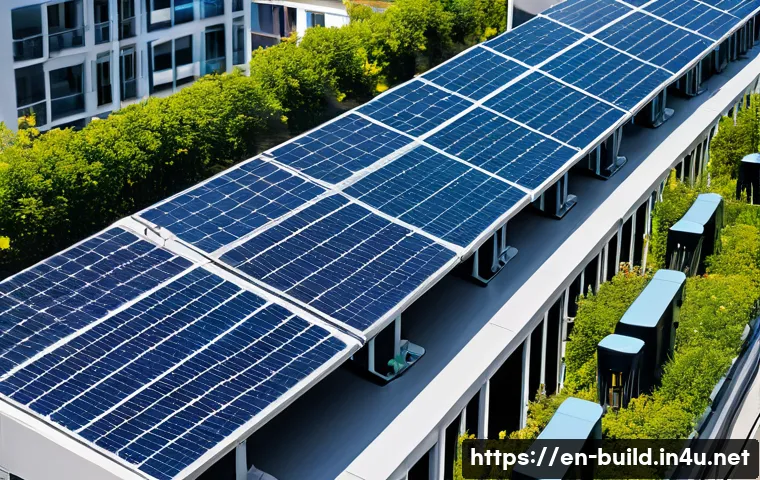
Looking ahead, shared electricity billing might incorporate renewable energy sources like solar panels on rooftops, affecting cost allocations and incentives.
Additionally, dynamic pricing models could charge tenants based on peak and off-peak usage, encouraging further energy conservation. As someone who follows energy trends closely, I find these developments exciting because they combine sustainability with smarter cost management.
In Closing
Allocating shared electricity costs fairly among residents is essential for maintaining harmony and encouraging responsible energy use. Whether through individual metering, proportional allocation, or hybrid models, transparency and communication are key to avoiding disputes. As energy technologies evolve, there are more tools available to ensure accuracy and fairness, benefiting both tenants and property managers alike.
Useful Information to Keep in Mind
1. Individual metering fosters accountability and can motivate residents to reduce their energy consumption, but it may require a significant upfront investment.
2. Proportional billing methods based on unit size or number of occupants can simplify cost division but might not always reflect actual usage patterns.
3. Common area electricity consumption should be clearly accounted for, as it often causes confusion and billing disputes among tenants.
4. Regular communication and transparent billing breakdowns help build trust and reduce misunderstandings in shared electricity charges.
5. Emerging technologies like smart meters and automated billing systems are transforming how electricity usage is monitored and billed, making the process more efficient and tenant-friendly.
Key Takeaways
Fair and transparent electricity billing in multi-unit buildings relies heavily on the chosen metering system and billing method. While individual meters provide the most accurate measurement, proportional or hybrid approaches can work well when properly managed. Addressing common area consumption and maintaining open communication are crucial to minimizing disputes. Additionally, leveraging modern technology and encouraging energy-efficient practices not only reduce costs but also create a more cooperative living environment for all residents.
Frequently Asked Questions (FAQ) 📖
Q: How are shared electricity costs typically calculated in multi-unit buildings?
A: Shared electricity costs in multi-unit buildings are usually divided based on each unit’s individual meter readings if available, or alternatively by square footage, number of occupants, or a fixed percentage agreed upon by residents.
In some cases, common area usage like hallways and elevators is metered separately and split equally among tenants. The goal is to allocate costs fairly, but the exact method often depends on the building’s infrastructure and management policies.
From my experience, asking your landlord or property manager for a clear breakdown can really help avoid confusion.
Q: What can I do to reduce my portion of shared electricity expenses?
A: One of the most effective ways to lower your share of electricity costs is to be mindful of your personal energy consumption—turn off lights when not in use, unplug devices, and opt for energy-efficient appliances.
If the building uses a proportional billing system, reducing your own usage directly lowers your bill. Additionally, advocating for better building-wide energy management, such as LED lighting in common areas or installing submeters, can make a big difference.
I’ve found that small changes in daily habits add up over time and noticeably shrink monthly bills.
Q: Why do shared electricity bills sometimes feel unfair or inconsistent month to month?
A: Variations in shared electricity bills often stem from changes in overall consumption patterns, seasonal factors like heating or cooling, or shifts in the number of occupants using common facilities.
If the cost distribution method isn’t transparent or if there’s no individual metering, it can feel unfair—especially if neighbors have different lifestyles or schedules.
In my experience, requesting detailed billing statements and understanding the allocation formula can provide clarity. Also, regular communication with building management about energy use and billing practices helps build trust and fairness among residents.