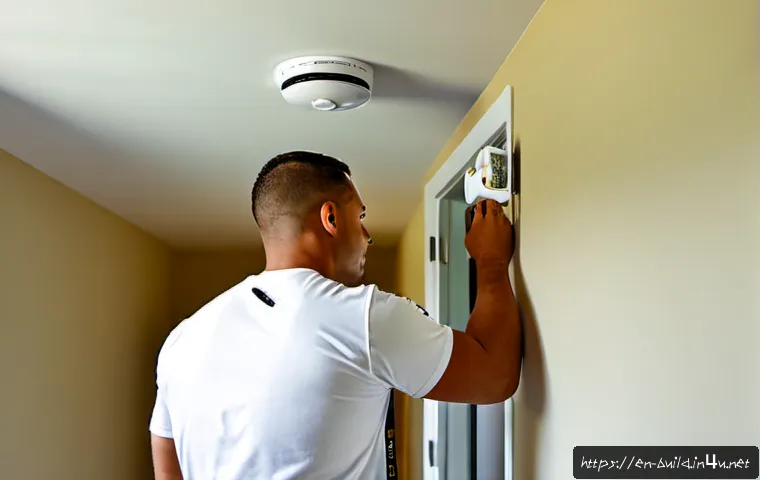
A reliable fire alarm setup gives early warning, can be heard where people sleep or work, and has power you can depend on. For a typical home, properly placed smoke alarms may be sufficient, while rentals, shared buildings, and commercial spaces may need a more complete fire alarm system and professional service.
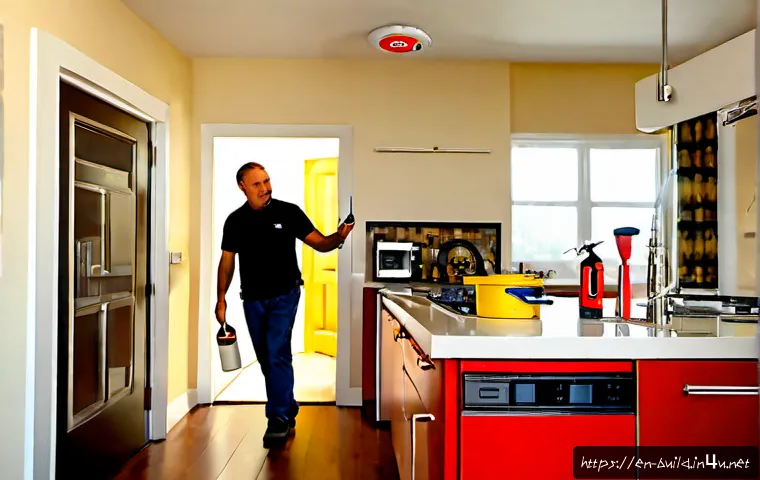
The right choice depends on the property layout, local fire code, existing wiring, and whether alerts need to reach people beyond the building. Regular testing, gentle cleaning, and replacement-date checks matter as much as the initial installation.
Before buying devices or booking an installer, compare coverage, interconnection, power options, inspection needs, and monitoring terms.
At a Glance
- Coverage comes first: smoke alarms are generally recommended inside sleeping areas, outside sleeping areas, and on every level of a home.
- Maintenance is essential: test devices according to manufacturer instructions and check for dust, insects, paint, humidity, or other causes of poor performance.
- Service needs vary: commercial and multi-occupancy properties may require documented inspection, testing, and maintenance by qualified technicians.
| Option | Best Fit | Main Decision Point | Ongoing Consideration |
|---|---|---|---|
| Standalone smoke alarms | Smaller homes or limited replacement projects | Room-by-room coverage and accessible testing | Battery, cleaning, and replacement-date checks |
| Interconnected alarms | Multi-level homes or properties where a single alarm may not be heard everywhere | Whether all devices should sound together | Compatibility, wiring, and power-source planning |
| Smart alarms | Owners who want connected features | Compatibility with the existing system or platform | Device support and ongoing maintenance |
| Monitored fire alarm service | Businesses, shared buildings, or properties needing added oversight | Monitoring procedures, contract terms, and local dispatch policies | Service fees, inspections, and records |
What a Reliable Fire Alarm Setup Should Do
Three essential checks: early warning, audible notification, and dependable power
A useful setup should provide early warning, an alarm that occupants can hear, and a dependable power arrangement. A device that is difficult to reach, rarely tested, or past its stated replacement date may not provide the protection you expect. Start with the property layout, then make sure alarms can be tested and maintained without being ignored.
The difference between smoke alarms, heat alarms, and full fire alarm systems
Smoke alarms are commonly used in homes. A larger fire alarm system may include a control panel, manual pull stations, notification devices, and monitoring. Heat alarms serve a different detection role than smoke alarms, so placement and product selection should match the property’s needs and applicable requirements.
Quick answer: when a basic alarm is enough and when it is not
A basic alarm arrangement may suit a straightforward home replacement project when coverage is adequate and local rules allow it. A larger, shared, rental, or commercial property may need additional compliance checks, coordinated devices, documented maintenance, or qualified fire protection services. Do not assume a household device can meet every workplace or multi-unit requirement.
Compare Alarm Types, Installation Methods, and Ongoing Costs
Battery-powered vs. hardwired alarms
Battery-powered alarms can be practical where wiring is not part of the project. Hardwired alarms may be a better fit when the property already supports them or when an electrical upgrade is planned. The safer choice is not simply the easiest device to buy; it is the option that provides appropriate coverage, can be maintained, and fits local requirements.
Standalone vs. interconnected vs. monitored systems
Standalone units alert people near the device. Interconnected alarms can provide a broader audible warning when one device activates. A monitored alarm system can notify a monitoring center, but response procedures, fees, contracts, and local dispatch policies vary. Review what the monitoring plan actually includes before treating it as a substitute for evacuation planning or routine maintenance.
Device cost, installation labor, inspection, and monitoring: what affects the budget
What you may pay for can include alarm devices, electrician labor, fire alarm technician work, professional inspection, monitoring, permits, replacement planning, and possible panel or wiring work. The total installed cost depends on property size, wiring, panel requirements, labor, permits, local market conditions, and the chosen service level. A quote comparison is most useful when each provider describes the same scope of work.
Questions to ask before requesting an installer or alarm-service quote
- Does the proposed layout address every level and sleeping-area coverage where applicable?
- Will new devices work with the existing alarms, panel, smart-home platform, or monitoring service?
- Are permits, inspections, testing, or maintenance records included or handled separately?
- Who will perform the work, and is a qualified technician needed for this property type?
- What ongoing inspection, monitoring, or replacement responsibilities remain after installation?
Plan Coverage Before Installing Devices
Common placement principles for bedrooms, hallways, living areas, and multi-level properties
For homes, smoke alarms are generally recommended inside sleeping areas, outside sleeping areas, and on every level. Walk through bedrooms, hallways, living spaces, stairs, and levels before buying equipment. This room-by-room review helps reveal whether a single replacement device solves the real coverage problem or only replaces one visible unit.
Locations that can cause false alarms or poor detection performance
Dust, insects, paint, humidity, steam, and cooking fumes can contribute to nuisance alarms or reduced sensor performance. Placement should account for these conditions while still meeting applicable local rules and manufacturer guidance. Repeated nuisance alarms should not automatically be dismissed as normal; the cause may require cleaning, better placement, inspection, repair, or replacement.
Why rental properties, shared buildings, and workplaces may need additional compliance checks
Landlords, facility managers, and small-business operators should confirm requirements for the specific occupancy and jurisdiction. Commercial properties may require documented inspections, tests, maintenance records, and work completed by qualified technicians. Shared buildings can also involve responsibilities that go beyond an individual unit owner’s equipment choice.
Testing, Cleaning, and Maintenance That Reduce Failure Risk
A practical testing routine based on manufacturer instructions
Follow the manufacturer’s instructions and applicable local rules for testing. Keep testing simple and consistent: confirm the device responds, confirm occupants can hear the notification where needed, and note any device that does not behave as expected. If devices are interconnected, verify the intended audible notification works throughout the relevant area.
Battery, backup-power, cleaning, and replacement-date checks
Check the power source and any backup power as directed by the manufacturer. Keep devices free from dust and insects, and avoid painting over them. Most importantly, look for the manufacturer-stated replacement date. Replacing batteries alone does not extend the usable life of the unit.
What maintenance records small businesses and landlords should keep

Keep clear records of testing, cleaning, inspections, maintenance, device replacements, service visits, and identified issues. Records help show what was done and make it easier to plan future service. The exact documentation rules depend on local code, building type, and occupancy.
Warning signs that call for professional inspection
Consider a professional inspection when alarms repeatedly activate without a clear cause, devices appear contaminated or damaged, wiring or panel issues are suspected, devices are nearing replacement, or the property has commercial compliance obligations. A qualified technician can assess whether the issue involves placement, contamination, power, wiring, compatibility, or a device that should be replaced.
Choose the Right Service Level for Your Property
Best fit for a homeowner replacing a few alarms
A homeowner replacing a few devices should first confirm coverage, placement, power source, and replacement dates. Standalone or interconnected options may be worth comparing depending on the size and layout of the home. If the project changes wiring or raises compatibility questions, an electrician or qualified installer can help avoid a mismatched setup.
When to use an electrician or qualified fire alarm technician
Use professional fire alarm installation support when wiring, control panels, commercial equipment, multiple occupancy areas, or code-related questions are involved. A qualified technician may also be appropriate when an existing system has unexplained faults or when new devices must work with older equipment.
When monitoring, inspection contracts, or system upgrades may add value
Monitoring, recurring inspection services, and system upgrades may add value when a property needs consistent oversight, records, or broader notification. Compare the agreement carefully: ask about monitoring procedures, fees, contract terms, equipment ownership, inspection scope, and local dispatch policies. The best option is the one that matches the property’s actual risks and responsibilities.
Selection Criteria and Comparison Summary
Before purchasing equipment or booking installation, check coverage, interconnection, power source, accessibility for testing, maintenance requirements, and any required documentation. Confirm whether the existing system is compatible with the proposed devices and whether a permit, inspection, or qualified technician is required. Compare qualified installers, inspection providers, and monitoring options by reviewing their scope of work and service terms on their official information pages.
A final checklist before buying equipment or booking installation
- Review each level, sleeping area, hallway, and shared space that needs coverage.
- Check manufacturer instructions and the replacement date on existing devices.
- Identify nuisance-alarm sources such as steam, cooking fumes, dust, or humidity.
- Confirm whether devices need to interconnect or work with an existing panel.
- Ask local authorities, insurers, or property managers about applicable requirements.
When to confirm local code, permit, and insurance requirements
Confirm these details before installation when the property is commercial, rented, shared, undergoing renovation, or using a full fire alarm system. Requirements can vary by country, state, municipality, building type, occupancy, and local fire code. Insurance requirements may also be separate from local installation rules.
Conclusion
Fire alarm planning is not only about choosing a device. It is about placing the right equipment where it can provide warning, keeping it powered and maintained, and using professional support when the property or system is more complex. A quick coverage review today can make replacement and service decisions much clearer. When in doubt, verify the local requirement and the manufacturer guidance before treating an alarm setup as complete.
Useful Information to Keep in Mind
First: a nuisance alarm can have several possible causes, including contamination, placement, power issues, wiring faults, or an aging device. Second: batteries are only one maintenance item. Third: maintenance records are especially useful for landlords and small businesses. Fourth: monitoring plans differ, so read the response and contract details closely.
Important Notes
This guide provides general information, not a property-specific code assessment or fire safety inspection. Exact installation locations, inspection intervals, documentation rules, compatibility, permits, and costs must be confirmed for the particular property. Follow manufacturer instructions and applicable local rules, and use qualified professionals where required.
Frequently Asked Questions
Q1. How much does professional fire alarm installation cost for a home or small business?
A1. The installed cost varies with property size, device count, wiring, control panel requirements, permits, labor, inspections, monitoring, and local market rates. Ask for a written scope that separates equipment, installation labor, inspection work, monitoring, and any ongoing service.
Q2. Is a monitored fire alarm system worth it compared with standalone smoke alarms?
A2. It can be worth considering for properties that need added oversight, documented service, or a monitoring-center notification process. However, monitoring terms, fees, response procedures, contracts, and local dispatch policies vary. Standalone alarms may suit a simpler home setup, while larger or commercial properties may need a more complete solution.
Q3. How often should fire alarms be tested, cleaned, and replaced?
A3. Test and maintain alarms according to the manufacturer’s instructions and applicable local rules. Check for dust, insects, paint, humidity, steam, and cooking-related buildup that can affect performance. Replace devices by the manufacturer-stated replacement date, because changing a battery does not extend the unit’s usable life.