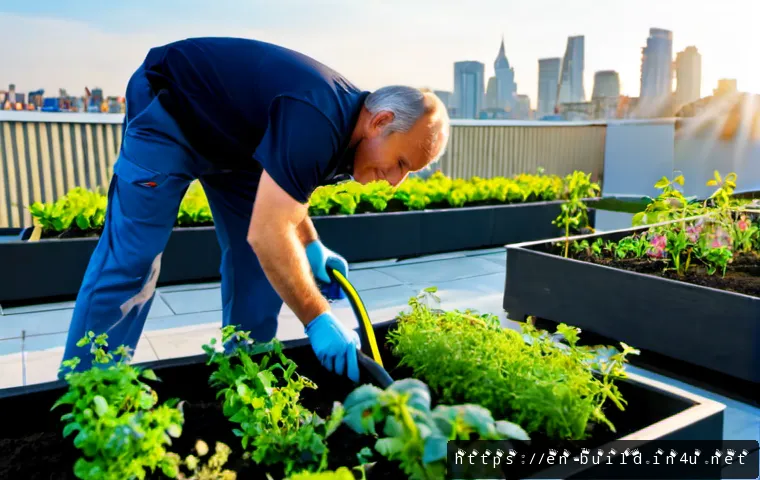
A rooftop garden needs regular checks of water, drainage, plant stress, and loose debris to protect both the planting and the roof below. For many owners, a simple weekly routine plus seasonal review is enough; recurring landscaping, irrigation, or drainage support becomes sensible when access, system complexity, or building risk increases.
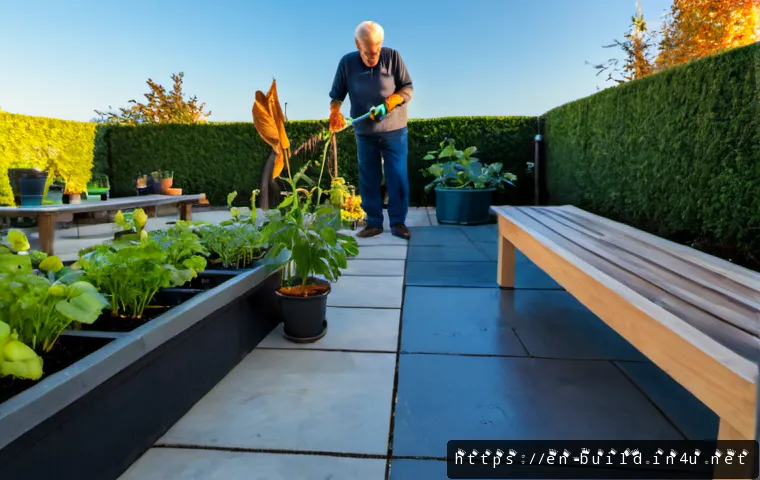
The right choice depends on the garden’s size, plant mix, wind exposure, irrigation setup, and the rules for the building. Do not treat standing water as a routine gardening issue, because it can point to a blocked drain, poor grading, or an irrigation problem.
Before comparing maintenance service quotes, decide which tasks can be handled safely in-house and which require a specialist. A clear written scope helps prevent missed drainage checks and unexpected add-on work.
At a Glance
- Weekly: Check irrigation output, visible plant stress, weeds, loose debris, and any water collecting near drains or planters.
- Monthly: Inspect drainage paths, containers, irrigation components, walking surfaces, and areas where wind or heat is stressing plants.
- Seasonally: Adjust watering, prune and replace plants as needed, and review roof-load, access, and weather-related risks before major changes.
| Maintenance Option | Best Use Case | Main Decision Factors |
|---|---|---|
| DIY routine care | Small, accessible gardens with simple containers and a manageable plant mix | Available time, safe access, confidence around irrigation and drainage, building rules |
| Recurring garden maintenance service | Owners who want regular weeding, pruning, debris removal, and plant-care support | Visit frequency, haul-away scope, reporting, irrigation checks, access difficulty |
| Irrigation, drainage, or roofing specialist inspection | Standing water, recurring leaks or irrigation concerns, blocked-drain signs, or major roof-garden changes | Type of issue, roof design, waterproofing condition, system complexity, structural review needs |
The Essential Rooftop Garden Maintenance Routine
The most useful rooftop garden maintenance plan is not necessarily the most complicated one. It is the plan that catches problems early: water going where it should, drains staying clear, plants coping with exposure, and materials staying off vulnerable roof areas. Drainage and irrigation checks should sit alongside plant care, not behind it.
The Three Checks to Make First: Water, Drainage, and Plant Stress
Start with water. Look for irrigation that is running when it should not, failing to reach containers, or leaving one area noticeably wetter than another. Then look at drainage paths and drain surroundings for loose leaves, soil, mulch, weeds, or other debris that could interfere with flow.
Finally, assess plant stress. Rooftops can be windier than ground-level gardens and may expose plants to greater heat and moisture stress. Wilting, scorched foliage, repeated drying, or plants that struggle in shallow containers may indicate that the planting choice or watering approach needs adjustment.
Standing water deserves prompt attention. It can indicate a blocked drain, poor grading, or an irrigation issue. Avoid assuming that adding more soil, mulch, or plants will solve the underlying problem.
Weekly, Monthly, and Seasonal Task Overview
A weekly visit can cover visible weeds, loose debris, plant health, container moisture, and obvious irrigation problems. This is also a practical time to make sure nothing has shifted into drainage areas after wind or use of the space.
Monthly tasks can go further: inspect accessible irrigation connections, look for uneven watering, check planters and pavers for movement, and review safe walking routes. Keep stored tools, empty pots, bags of soil, and other materials organized rather than allowing them to accumulate on the roof.
Seasonal maintenance depends on local climate, the roof design, and the garden type. It may include pruning, refreshing mulch, replacing stressed plants, changing watering practices, and preparing containers or irrigation for cold or wet periods. Major soil replacement, large new planters, and heavy pruning projects should be planned with roof-load and access considerations in mind.
A Quick Top-of-Page Maintenance Summary
If time is limited, follow this order: check for standing water, confirm irrigation performance, remove loose debris, assess plant stress, and record anything that needs professional review. A short repeatable checklist is often more reliable than occasional intensive work.
DIY Care vs. Professional Maintenance: Which Option Fits Your Roof?
DIY care can work well for a straightforward rooftop garden when the area is safely accessible and the owner understands the building’s rules. A scheduled landscaping service can reduce missed visits and make regular pruning, debris removal, and plant replacement easier to manage. Specialist help is more appropriate when a concern involves irrigation performance, drainage flow, roof surfaces, or changes that may affect structural loads.
Comparison Table: Time, Skills, Equipment, Risk, and Cost Factors
| Factor | DIY Care | Recurring Service | Specialist Review |
|---|---|---|---|
| Time requirement | Requires regular owner or staff attention | Scheduled visits reduce day-to-day workload | Usually focused on a specific concern or system |
| Suitable skills | Basic plant care and careful observation | Routine gardening and landscape maintenance | Irrigation, drainage, roofing, or structural expertise as needed |
| Equipment needs | Basic garden tools and safe storage | Provider supplies or specifies tools and materials | May require trade-specific inspection equipment |
| Risk focus | Missed watering, debris, or unsafe access habits | Unclear service scope or incomplete reporting | Incorrect diagnosis if the right trade is not selected |
| Cost factors | Time, supplies, replacement plants, and possible equipment | Garden size, visit frequency, access, plant type, and haul-away | Problem complexity, access, roof design, and inspection scope |
When a Gardener Is Enough—and When Roofing or Irrigation Expertise Is Needed
A gardener or landscaping contractor may be a good fit for weeding, routine pruning, plant replacement, mulch care, and regular debris removal. Ask whether their recurring maintenance service includes visual irrigation and drainage checks, rather than assuming those items are included.
An irrigation professional may be more suitable when watering is uneven, controls appear unreliable, or a system concern keeps returning. A drainage or roofing professional may be needed if water remains where it should drain, if roof materials may be affected, or if maintenance work could disturb protected surfaces. Structural limits should be verified before adding heavy planters, replacing large amounts of soil, or storing substantial materials on the roof.
What to Ask for in a Recurring Maintenance Quote
Request a written maintenance scope that identifies the visit schedule and the exact tasks included. Useful quote comparison points include:
- Whether each visit includes irrigation performance checks.
- Whether drain surroundings and drainage paths are checked for loose debris.
- How weeds, pruning, plant replacement, and mulch care are handled.
- Whether green waste and removed materials are hauled away.
- How the provider documents concerns, such as photos or a written visit report.
- What happens when the provider sees standing water, damaged irrigation, or an access safety issue.
Comparing landscaping service quotes is easier when every provider is pricing the same scope, rather than using broad labels such as “full maintenance.”
Protecting Drainage, Irrigation, and Roof Surfaces
Healthy plants matter, but a rooftop garden also has to respect drainage, waterproofing, and walking surfaces. The goal is to maintain the garden without scraping, puncturing, blocking, or overloading parts of the roof system. Use the garden as intended and follow the building’s maintenance requirements.
How to Spot Blocked Drains and Overwatering Early
Look for water that remains after it should have moved away, debris collecting near drainage areas, or a recurring wet zone near planters. Check whether irrigation is producing different results across similar containers. One unusually wet planter may point to an irrigation issue, while a broad area of standing water may call for closer drainage investigation.
Do not rely on appearance alone to determine the cause. Drainage design, roof grading, waterproofing condition, and irrigation layout are building-specific. Escalate concerns promptly through the appropriate building or service contact.
Safe Cleaning Around Drains, Membranes, Planters, and Pavers
Use care when removing leaves, soil, or windblown debris. Avoid dragging planters, sharp tools, or heavy objects across roof surfaces. Keep work limited to safe walking surfaces and avoid moving components that appear to be part of the roof or drainage system unless the responsible professional directs it.
Planters and pavers should not become hidden collection points for loose material. Regular light cleaning is generally easier than allowing debris to build up until a major cleanout is needed. If access is limited by edges, height, or building rules, do not improvise a solution.
Common Mistakes That Can Create Avoidable Repair Costs
- Ignoring standing water because plants appear healthy.
- Overwatering plants that are already under heat or wind stress.
- Allowing leaves, soil, or stored materials to gather near drainage areas.
- Dragging planters or heavy containers over roof surfaces.
- Adding heavy soil, planters, or stored supplies without verifying structural limits.
- Using unsafe access routes or working near roof edges without appropriate protection.
Seasonal Plant Care for Windy, Sunny Rooftops
Rooftop plant care should respond to conditions, not just the calendar. Local climate, sunlight, wind exposure, container depth, and irrigation availability all influence which plants are practical and how often they need attention. A plant that works at ground level may behave differently on an exposed roof.
Watering Adjustments During Hot, Dry, or Windy Weather
Hot, dry, and windy periods can increase moisture stress. Check containers and plants more closely during these conditions, but avoid automatically increasing irrigation without confirming what is happening at the root zone and around the planter. Both underwatering and overwatering can create plant-health problems.
Plant selection is part of the maintenance strategy. Choose plants that match the roof’s light, wind, container depth, climate, and available irrigation. This reduces the need for constant correction later.
Pruning, Feeding, Mulching, and Replacing Stressed Plants
Prune as needed for plant health, safe access, and the intended appearance of the garden. Remove plant debris rather than letting it accumulate in corners or around drains. Mulch can help manage surface conditions in suitable planting areas, but it should be kept where it belongs and away from drainage paths.
Fertilizer and pest treatments should be selected only with local growing conditions and product-label guidance in mind. If a plant repeatedly fails, review the exposure, container depth, watering approach, and plant selection before simply replacing it with the same type.
Preparing Containers and Irrigation for Cold or Wet Seasons
Before cold or persistently wet periods, review whether containers, plants, and irrigation components need seasonal preparation. The correct steps vary by local climate and the specific system. Check for loose materials, water-flow concerns, and plants that may be more vulnerable to wet roots or weather exposure.
For a commercial or shared roof space, assign responsibility clearly. A seasonal checklist is only useful if someone is accountable for completing it and reporting problems.
Maintenance Plans for Different Rooftop Garden Types
The maintenance burden changes with the purpose of the garden. A decorative planting scheme may need periodic attention, while edible gardens can require closer watering and harvesting oversight. Shared spaces need an additional layer of organization because more people may use the roof and move items around.

Low-Maintenance Ornamental Gardens
Low-maintenance does not mean no-maintenance. Ornamental rooftop gardens still need drainage checks, weed control, plant-health reviews, and debris removal. The advantage is that a carefully matched plant palette can reduce frequent intervention.
For this garden type, a routine landscaping service may be useful when the owner wants predictable visits for pruning, cleanup, and seasonal adjustments without managing every task personally.
Vegetable and Herb Gardens With Higher Watering Needs
Vegetable and herb gardens can require more frequent observation because they often have higher watering needs and more regular harvesting activity. That increased activity can also create more loose plant material, empty containers, and maintenance traffic.
Keep irrigation checks disciplined and do not let enthusiasm for growing food override roof-surface, drainage, or load considerations. If additional containers or soil are planned, verify structural limits before making the change.
Shared Residential, Hospitality, and Small-Business Roof Spaces
Shared rooftops benefit from written routines. Identify who can access the garden, where tools and materials may be stored, who reports standing water, and who approves plant or planter changes. For hospitality and small-business spaces, presentation matters, but reliable drainage and safe access remain the first priorities.
A recurring maintenance contract can be especially useful here because a written report creates a record of routine work and unresolved issues. Ask whether the provider can coordinate separately with irrigation, drainage, or roofing specialists when a concern falls outside ordinary garden care.
Choosing a Rooftop Garden Maintenance Service: Final Comparison
Choose a provider based on the clarity of the work plan, not only on a broad promise to “maintain” the garden. The best fit understands that rooftop gardening involves plants, water management, safe access, and respect for the roof system. A contractor should also be willing to identify work that belongs to another specialist.
Scope-of-Work Checklist Before Comparing Providers
- Defined visit frequency and seasonal review timing.
- Weeding, pruning, plant-health observation, and debris removal.
- Drainage-area and irrigation-performance checks.
- Plan for green-waste removal and material storage.
- Written reporting of concerns that need follow-up.
- Clear boundaries between routine gardening, irrigation service, drainage inspection, and roofing work.
Request a written scope that includes drainage and irrigation checks. It is the simplest way to compare maintenance providers on the issues that can matter most for a rooftop garden.
Pricing Factors to Clarify Before Approving a Contract
Exact maintenance prices vary by location, garden size, access difficulty, plant type, service scope, and visit frequency. Before approving a contract, clarify whether the quote covers labor only or also includes plant replacements, mulch, disposal, irrigation adjustments, reporting, and extra visits after weather events.
Ask how the provider handles work outside the routine scope. A clear process for identifying and approving additional work can prevent confusion when a drainage inspection or irrigation repair is recommended.
When to Schedule a Drainage, Irrigation, or Structural Review
Schedule the appropriate review when standing water appears, drainage flow seems restricted, irrigation is not performing consistently, or major additions are planned. Structural review is particularly relevant before adding heavy planters, replacing large volumes of soil, or storing materials on the roof.
Do not assume a garden contractor can verify waterproofing condition, roof load capacity, or compliance with local building requirements. Those questions require confirmation through the appropriate building, roofing, structural, lease, HOA, insurance, or local-code channels.
Selection Criteria and Comparison Summary
Use these points before choosing DIY care or a rooftop garden maintenance service:
- Access: Can routine work be done safely on approved walking surfaces?
- Water management: Are irrigation performance and drainage flow checked regularly?
- Garden complexity: Is the plant mix low-maintenance, edible, heavily containerized, or shared by many users?
- Scope clarity: Does the quote specify debris removal, pruning, irrigation checks, drainage checks, and reporting?
- Escalation plan: Is it clear when to call an irrigation, drainage, roofing, or structural professional?
Review the provider’s service page or written proposal for the full scope, exclusions, access requirements, and conditions before making a decision.
Final Thoughts
Rooftop garden care is most effective when plant maintenance and building protection are treated as one routine. Check water, drainage, debris, and plant stress consistently rather than waiting for a visible failure. Match plants to the roof’s exposure and irrigation capacity, and avoid major changes until load and access considerations are verified. When help is needed, a detailed scope of work makes contractor comparisons far more useful.
Useful Things to Know
1. A rooftop can be hotter, windier, and more drying than a ground-level garden.
2. Standing water may be related to drainage, grading, or irrigation and should not be ignored.
3. Plant choice affects maintenance workload as much as the maintenance schedule does.
4. Heavy soil, planters, and stored materials may affect roof loads.
5. A routine garden visit is not automatically a roofing, drainage, or irrigation inspection.
Important Considerations
This guide cannot confirm a specific roof’s structural capacity, waterproofing condition, drainage design, or local requirements. Building codes, lease terms, HOA rules, insurance requirements, and access policies may affect what work is allowed. Confirm the appropriate requirements before changing planters, soil volumes, irrigation equipment, or rooftop access arrangements. Use local growing conditions and product-label guidance when selecting plants, fertilizer, or pest treatments.
Frequently Asked Questions
Q1. How often does a rooftop garden need maintenance?
A1. It needs routine checks for irrigation performance, drainage flow, weeds, plant health, and loose debris. Weekly observation, monthly review, and seasonal adjustments are a practical framework, but the exact schedule depends on climate, plant mix, roof design, and irrigation setup.
Q2. What should be included in a rooftop garden maintenance service quote?
A2. Ask for visit frequency, weeding, pruning, debris removal, plant-care tasks, irrigation checks, drainage-area checks, haul-away details, reporting, and a clear explanation of what is excluded. The quote should also state how issues requiring irrigation, drainage, roofing, or structural expertise will be handled.
Q3. Is it safe to maintain a rooftop garden yourself?
A3. It can be suitable for simple, accessible gardens when work is done on safe walking surfaces and in line with building rules. Do not improvise around roof edges, protected roof materials, drainage components, or heavy items. Confirm access, safety, and building requirements before taking on the work.
Q4. When should I hire an irrigation or drainage professional for a roof garden?
A4. Consider professional help when standing water appears, drains seem blocked, irrigation is uneven or unreliable, or the same water-related issue keeps returning. A specialist may also be appropriate before modifying irrigation systems or when the concern could involve roof surfaces or drainage design.